Orange Infused Water Benefits + Easy Recipe


Orange infused water benefits go far beyond a refreshing summer drink - staying hydrated supports nearly every system in your body, and infusing your water with fresh orange and berries makes it dramatically easier to actually drink enough. As a registered nurse with 25+ years in critical care and preventative medicine, I get asked about hydration constantly, and infused water is one of the simplest, most reliable changes I recommend. This easy 4-ingredient orange infused water recipe takes about 5 minutes to put together and chills in the fridge while you sleep.

This post contains affiliate links. As an Amazon Affiliate, I earn a commission on qualifying purchases.
Why Drink Infused Water? A Nurse's Take on Hydration
Most of what you'll read about "detox water" online overstates the case. Your liver and kidneys handle detoxification - water doesn't "flush toxins." What water actually does is just as important, and worth understanding clearly: it supports the organs that do that work, regulates body temperature, cushions your joints, transports nutrients, and helps virtually every cellular process in your body run the way it's supposed to.
Infused water earns its place because it solves the single biggest barrier to drinking enough: plain water is boring. In my clinical experience, the people who consistently meet their hydration needs are the ones who've made water something they actually look forward to - and a cold pitcher with fresh oranges and berries does that work for almost no effort.
How Much Water Do You Actually Need?
The "8 glasses a day" rule isn't backed by strong evidence - it's a holdover that's been repeated so often it feels official. The National Academies of Sciences, Engineering, and Medicine set adequate fluid intake at about 15.5 cups (3.7 liters) per day for adult men and 11.5 cups (2.7 liters) per day for adult women. That total includes everything - water, other beverages, and the roughly 20% of fluid you get from food. For more on individual fluid intake recommendations from Mayo Clinic, the targets shift based on body size, activity, and climate.
Individual needs shift based on body size, activity level, climate, pregnancy, breastfeeding, illness, and certain medications. The most reliable everyday signal is urine color - pale straw is the target. Dark yellow means drink more; consistently clear may mean you're overdoing it.

Signs You're Not Drinking Enough
Mild dehydration is more common than people realize, and it shows up in ways that are easy to miss or chalk up to something else:
- Dark yellow urine or going noticeably less often
- Dry mouth or sticky saliva
- Headaches that show up in the afternoon
- Fatigue that doesn't match your sleep
- Feeling lightheaded when you stand up
- Trouble concentrating or feeling foggy
- Constipation
- Muscle cramps, especially during or after exercise
Who Needs to Pay Closer Attention
Some people are at higher risk for dehydration and benefit from being more deliberate about intake:
- Older adults - thirst signaling weakens with age, so by the time you feel thirsty you're already behind
- Athletes and active people - sweat losses add up faster than most realize, especially in heat or humidity
- Anyone taking diuretics or certain blood pressure medications
- Pregnant or breastfeeding women - fluid needs are meaningfully higher
- People with diabetes, kidney disease, or cardiovascular conditions (work with your provider on specific targets)
- Anyone living or working in hot climates, or spending time outdoors in summer
If you have a chronic condition, talk to your healthcare provider about what your daily fluid target should look like - "more is always better" is not true for everyone.
Does Infused Water Actually Help?
Yes - but the mechanism is mostly behavioral, and that's not nothing. The single biggest predictor of whether someone hits their hydration needs is whether they enjoy what they're drinking. A pitcher of orange and berry infused water in the fridge meaningfully changes how much water gets consumed in a day, in my experience with patients and family.
On the nutrient side, fresh orange slices do release a small amount of vitamin C into the water, plus subtle flavor compounds and aromatics from the peel. Most of the vitamin C stays in the fruit itself, so think of infused water as a flavor and behavior tool first, with a modest nutrient bonus second. If you want the full vitamin C from an orange, eat the orange.

How to Make Orange Infused Water
Now the easy part. This is the version I keep in my fridge through the warmer months - bright, lightly sweet, and ready to drink the next morning.
What You'll Need
Ingredients
- 4 cups cold filtered water
- 1 medium orange, sliced (peel on)
- 4 fresh strawberries, hulled and halved
- ¼ cup fresh blueberries
Equipment
- A large glass pitcher or fruit-infuser pitcher with a lid
Step-by-Step Instructions
- Wash the fruit thoroughly. Slice the orange (peel on), hull and halve the strawberries, and rinse the blueberries.
- Add the fruit to the pitcher. Place the blueberries on the bottom and gently press them with the back of a spoon to release some juice. Add the strawberries, then squeeze the orange slices lightly over the pitcher and drop them in.
- Add the water and refrigerate. Pour in cold filtered water, give it a quick stir, and chill for at least 4 hours - overnight is better.
Storage and Tips
Strain the fruit out after about 12 hours. The water itself stays fresh in the fridge for up to 4 days when you remove the fruit on time. If you leave the citrus in longer than that, the peel pith starts to leach bitterness and the berries break down.
A few small things that make a noticeable difference:
- Wash fruit before slicing - anything on the skin ends up in the pitcher
- Use cold water to start; warm water dulls the citrus aromatics
- Pour through a fine mesh strainer when refilling glasses if you don't want pulp
- Make a fresh pitcher every 3-4 days rather than topping off an old one
More Healthy Hydration Recipes
If oranges and berries are working for you, here are a few other infused water combinations my readers come back to:
- Blueberry Water with Basil - herbal, lightly sweet, perfect for summer afternoons
- Berry Infused Water - the closest sibling to this recipe, all-berry version
- Tips for Getting in Your Daily Water - my full guide to hitting your daily fluid target
Frequently Asked Questions
Is orange infused water actually good for you?
Yes - primarily because it makes drinking enough water easier, and adequate hydration supports kidney function, energy, focus, digestion, and skin. The orange slices contribute a small amount of vitamin C and natural flavor that helps you actually finish the pitcher. Don't expect it to "detoxify" you - that's your liver and kidneys' job - but as a behavior tool for hitting daily fluid needs, it works.
What does drinking orange water do for you?
Drinking orange infused water gives you the full benefits of being well-hydrated: better energy, clearer thinking, regular digestion, and easier temperature regulation, especially in warm weather. The citrus and berries add a modest amount of vitamin C and antioxidants, plus light flavor that helps you drink more total water across the day.
How long can you keep orange slices in water?
Up to 12 hours is the sweet spot for orange slices in water. Past that, the white pith on the orange peel starts releasing bitter compounds, and the berries begin to break down. Strain the fruit out after about 12 hours and the infused water itself will stay fresh in the refrigerator for up to 4 more days.
Is putting oranges in water healthy?
Yes, putting oranges in water is healthy for almost everyone - there's no meaningful downside to the practice for the average adult. The exception is if you have a citrus allergy, are on medications that interact with citrus (some statins and blood pressure medications interact specifically with grapefruit, not typically oranges, but check with your pharmacist), or have GERD that's triggered by acidic foods. For everyone else, it's a simple way to make hydration more enjoyable.
Can you drink orange infused water every day?
Absolutely - daily is the point. Orange infused water is just water with a little flavor; there's no ingredient here that becomes problematic with regular use. Many of my readers keep a fresh pitcher in the fridge through spring and summer and reach for it instead of soda or sweetened drinks, which is one of the highest-impact swaps you can make for everyday health.
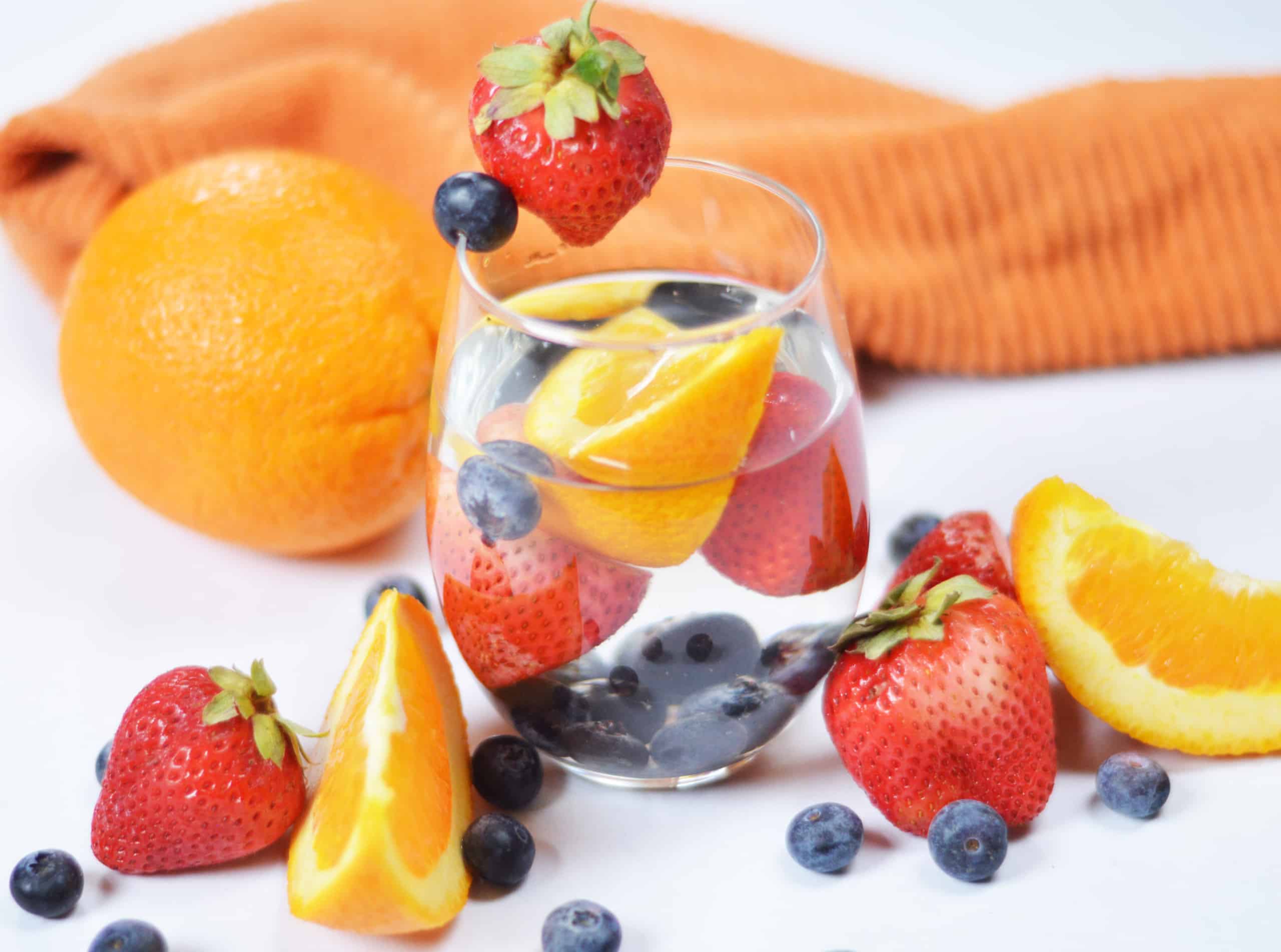
Orange Infused Water
Equipment
- 40 ounce Glass pitcher with lid
Ingredients
- 1 medium orange peeled and sliced
- 4 fresh strawberries hulled and halved
- ¼ cup fresh blueberries
- 4 cups cold filtered water
Instructions
- Wash the fruit thoroughly. Slice the orange with the peel on, hull and halve the strawberries, and rinse the blueberries.
- Place the blueberries in the bottom of a large glass pitcher and gently press them with the back of a spoon to release some juice. Add the strawberries on top, then squeeze the orange slices lightly over the pitcher and drop the slices in.
- Pour in the cold filtered water, give it a quick stir, and refrigerate for at least 4 hours — overnight is better. Strain the fruit out after 12 hours and drink within 4 days.