
Panna Cotta with Mango Sauce
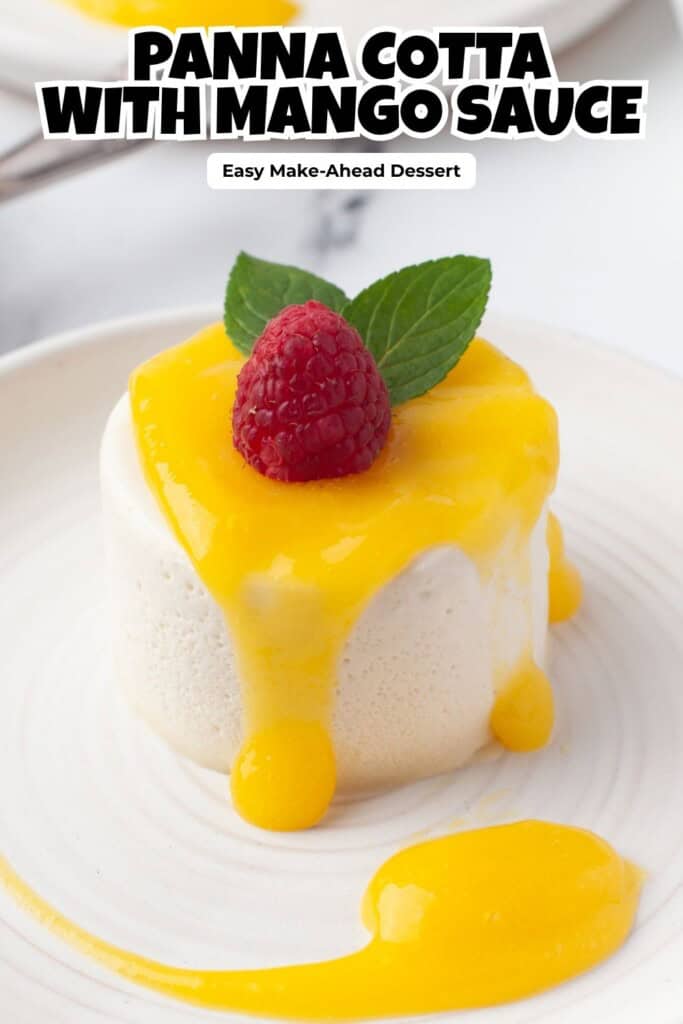
This panna cotta with mango sauce is the make-ahead dessert I reach for when I want something that looks like it came out of a restaurant kitchen but takes about 15 minutes of hands-on work. I tested it in both silicone molds and ramekins before settling on this method - a light coat of neutral oil in the molds turned out to be the difference between a clean release and a broken dessert. Silky vanilla cream, a bright tropical mango sauce, and it sets in the fridge while you do everything else.
This post contains affiliate links. As an Amazon Affiliate, I earn a commission on qualifying purchases.
Why You'll Love This Panna Cotta
- Truly make-ahead. The panna cotta needs 4-6 hours in the fridge anyway, so making it the night before a dinner party is actually the easiest way to do it.
- Just a handful of ingredients. Heavy cream, gelatin, sugar, and vanilla for the custard - the mango sauce adds four more pantry-simple items.
- No oven, no water bath. Unlike flan or crème brûlée, panna cotta sets with gelatin, so there's no baking and nothing to curdle.
- Fresh or frozen mango both work. The sauce is just as good with frozen mango chunks, which means you can make this any time of year.
Ingredients You'll Need
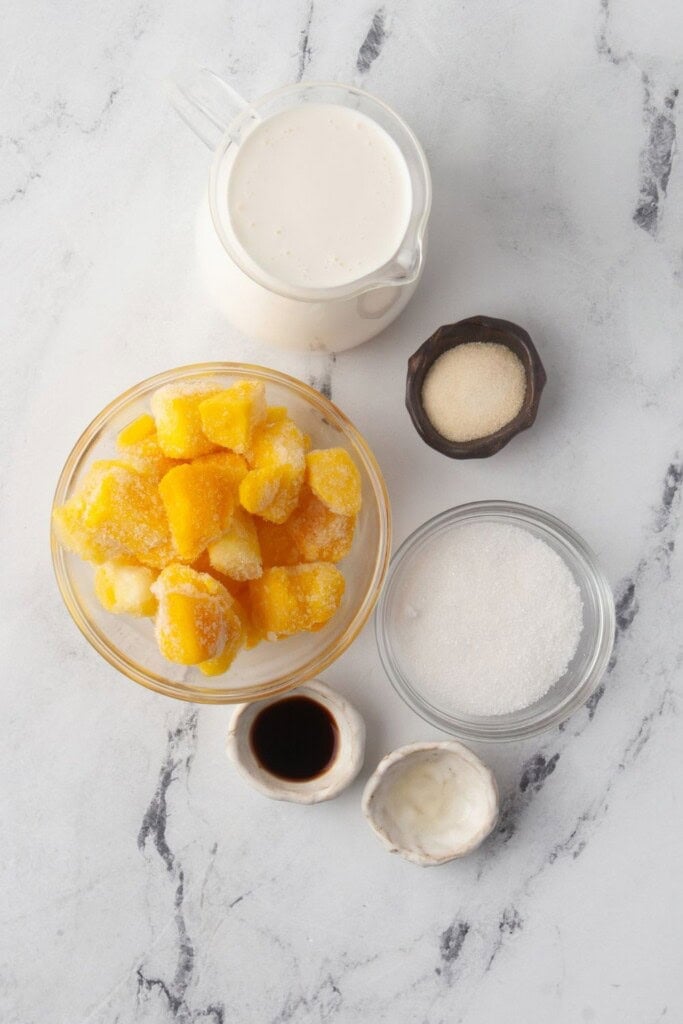
Here's what goes into the panna cotta, plus a few notes from my testing:
- Heavy cream - the base of the dessert. Use real heavy cream (at least 36% fat) for that signature silky set.
- Powdered gelatin - 7 grams, which is about 2¼ teaspoons or slightly less than one standard packet. Measuring matters here: too much and the texture turns rubbery, too little and it won't hold its shape.
- Granulated sugar - just 3 tablespoons. Panna cotta should be gently sweet so the mango sauce can shine.
- Vanilla extract - or the seeds from half a vanilla bean if you want those pretty flecks.
For the mango sauce:
- Ripe mango - one cup diced, fresh or frozen. If your fresh mango smells sweet at the stem, it's ready.
- Sugar - 2 tablespoons, but taste your mango first and adjust. A very ripe mango may need less.
- Lemon juice - a teaspoon to brighten the sauce and balance the sweetness.
- Water - helps the mango break down into a pourable sauce.
How to Make Panna Cotta with Mango Sauce
Step 1: Prep the molds (silicone only). If you're using silicone molds, lightly grease each cavity with a neutral oil like canola, sunflower, or grapeseed using a paper towel or pastry brush. This is what guarantees a clean release later. Ramekins you plan to serve in can be left ungreased.
Step 2: Heat the cream. In a small saucepan, combine the heavy cream, sugar, and vanilla extract (or scraped vanilla bean seeds). Warm over medium heat, stirring occasionally, until the sugar dissolves and the mixture just begins to simmer. Do not let it fully boil - boiling can weaken the gelatin's setting power later.
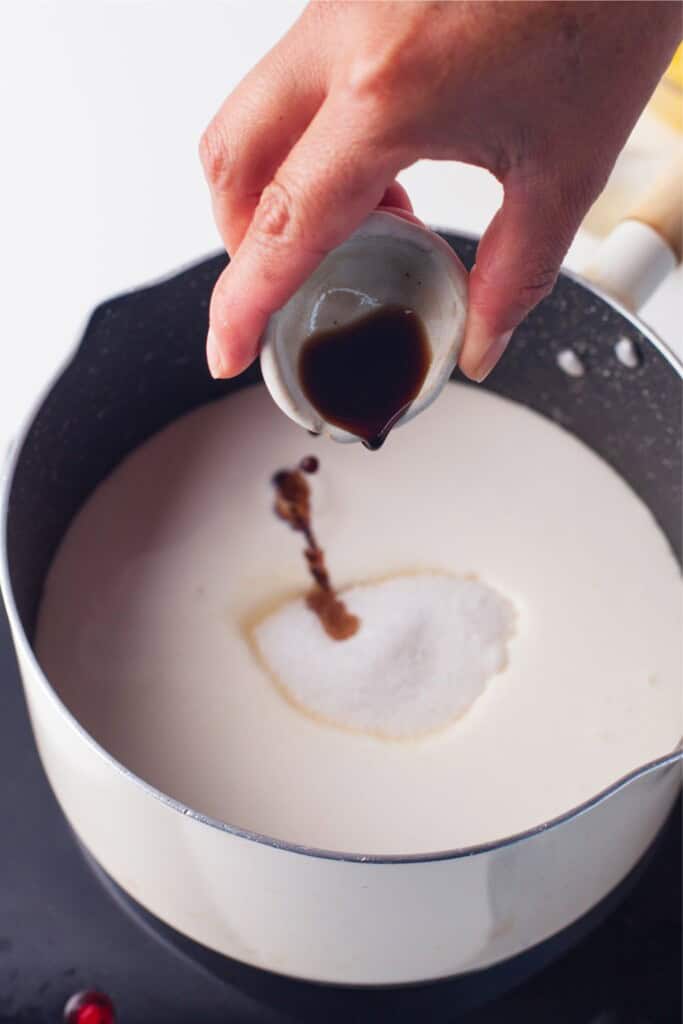
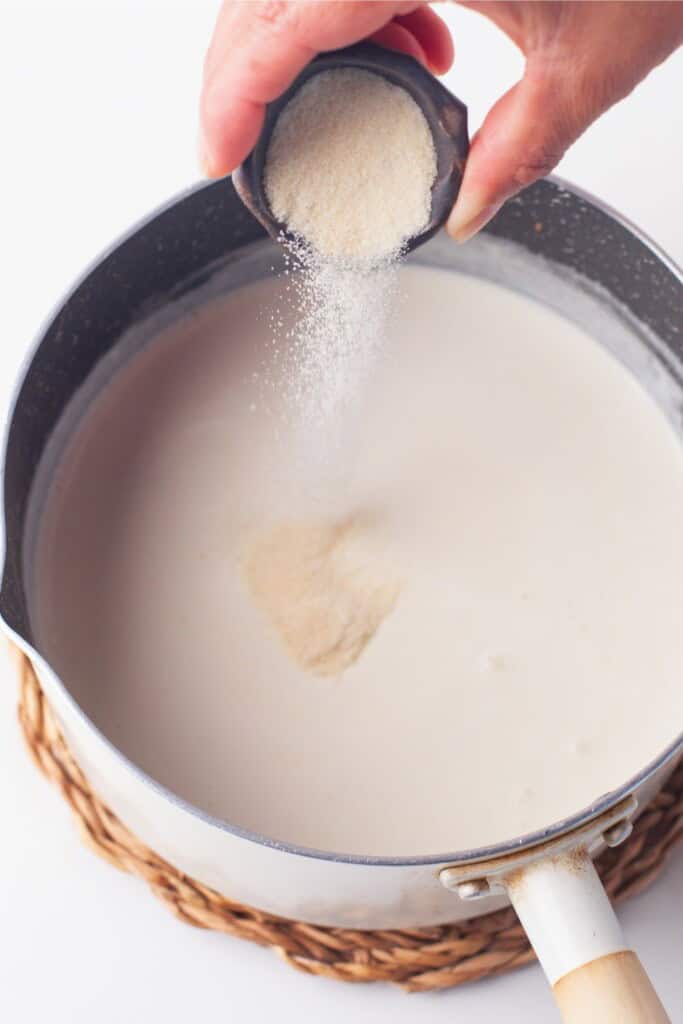
Step 3: Bloom and dissolve the gelatin. Remove the pan from the heat and sprinkle the gelatin evenly over the hot cream. Let it sit for 1 minute to bloom, then whisk thoroughly until the gelatin is completely dissolved and the mixture is smooth. Run a spoon through it - if you feel any grains, keep whisking.
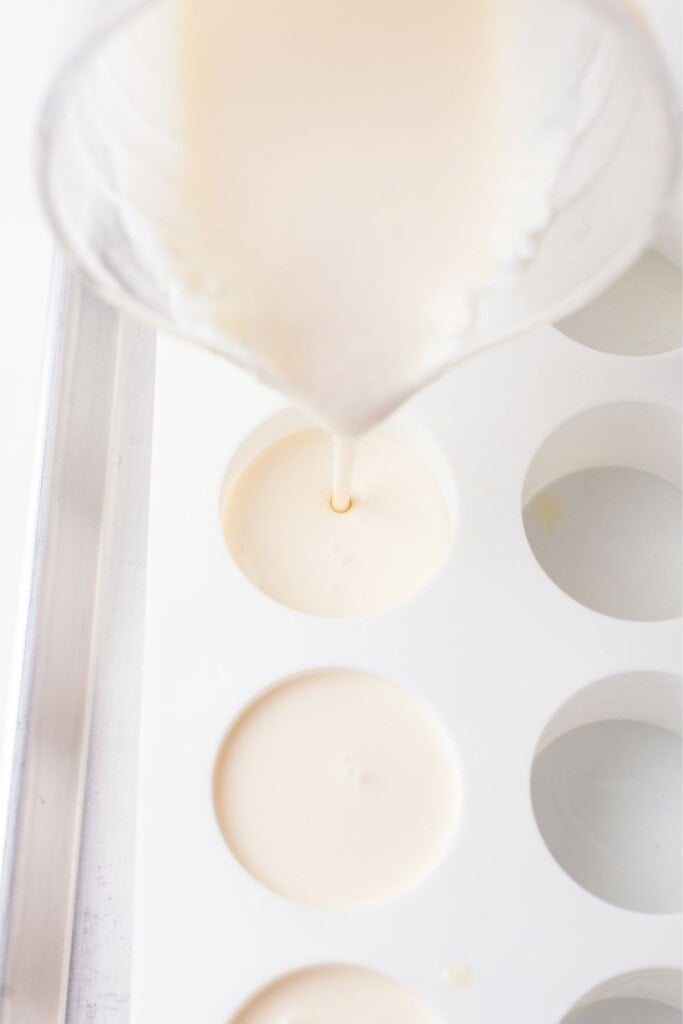
Step 4: Pour and chill. Let the mixture cool for 5-10 minutes, then pour into your prepared ramekins or molds. Refrigerate for at least 4-6 hours, or until fully set. Overnight is even better.
Would you like to save this?
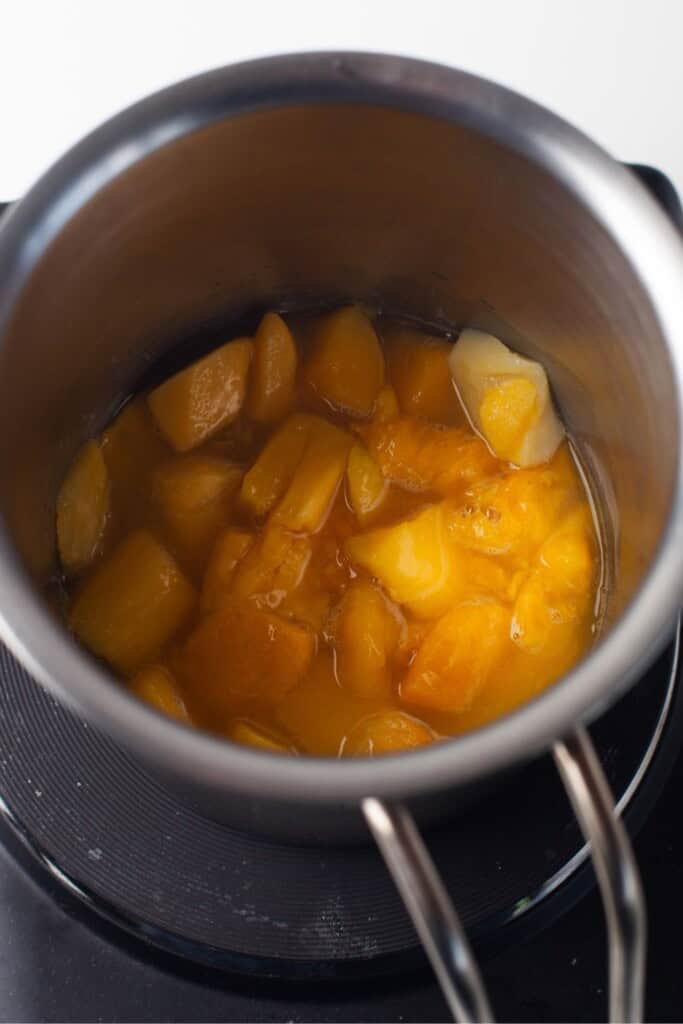
Step 5: Make the mango sauce. In a small saucepan, combine the diced mango, sugar, water, and lemon juice. Bring to a simmer over medium heat and cook for 8-10 minutes, stirring occasionally, until the mango softens and the sugar dissolves. Remove from the heat and purée with an immersion blender (or in a regular blender) until smooth - or mash with a fork if you like a chunkier sauce. Let it cool; it thickens slightly as it stands.
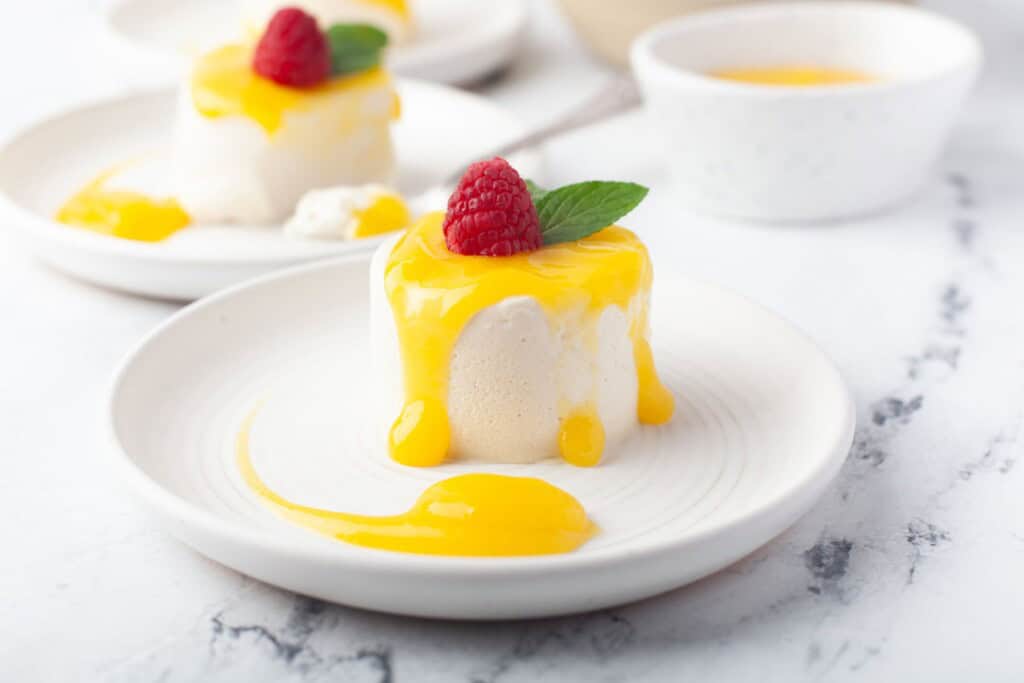
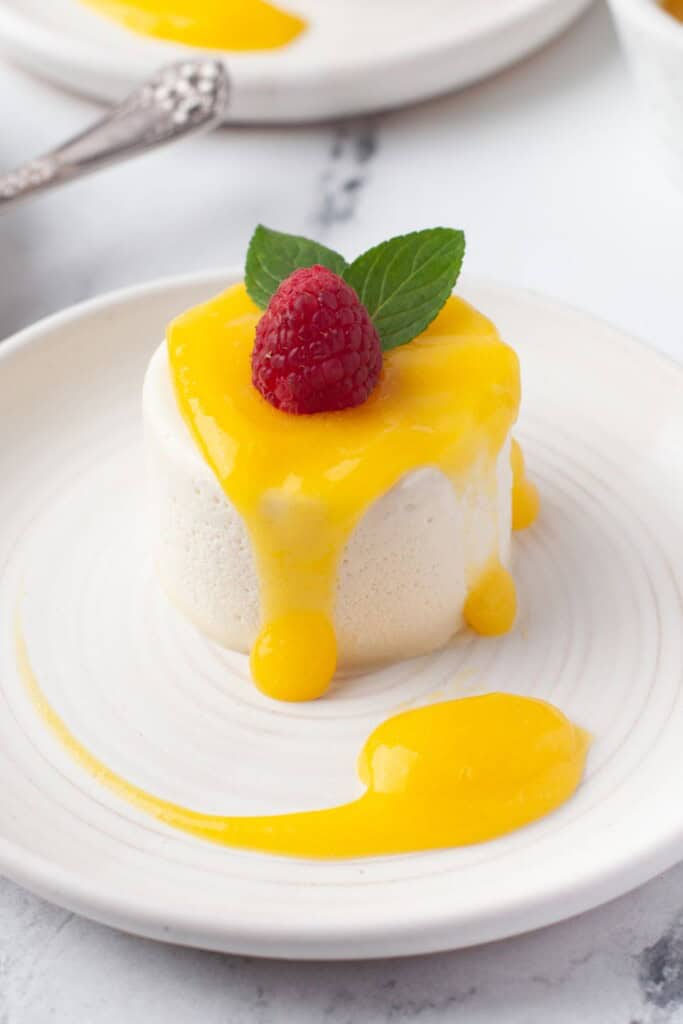
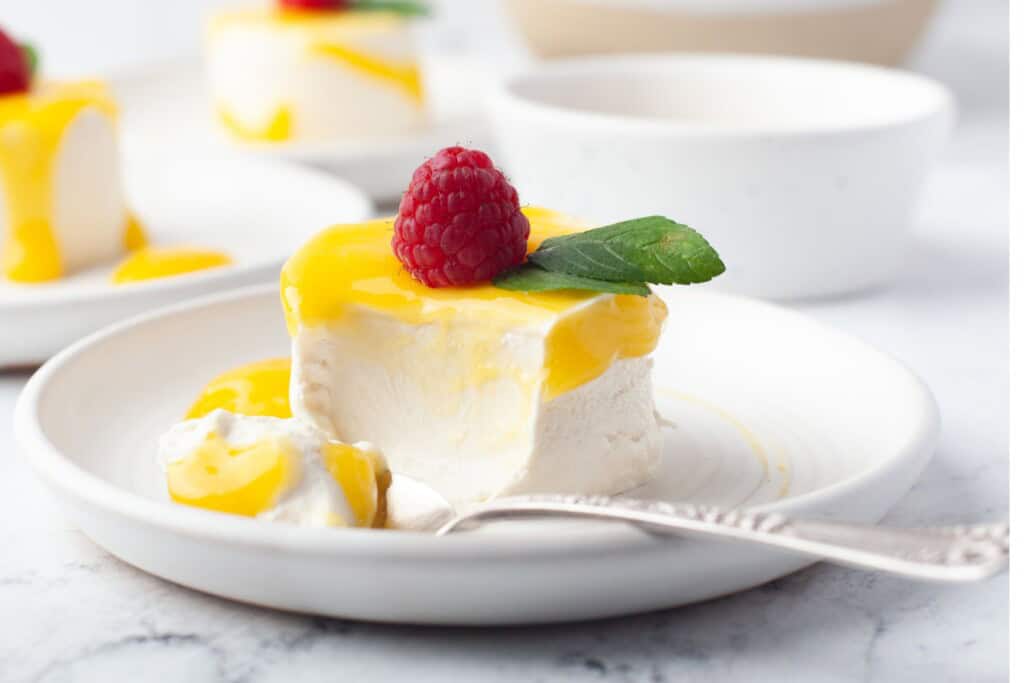
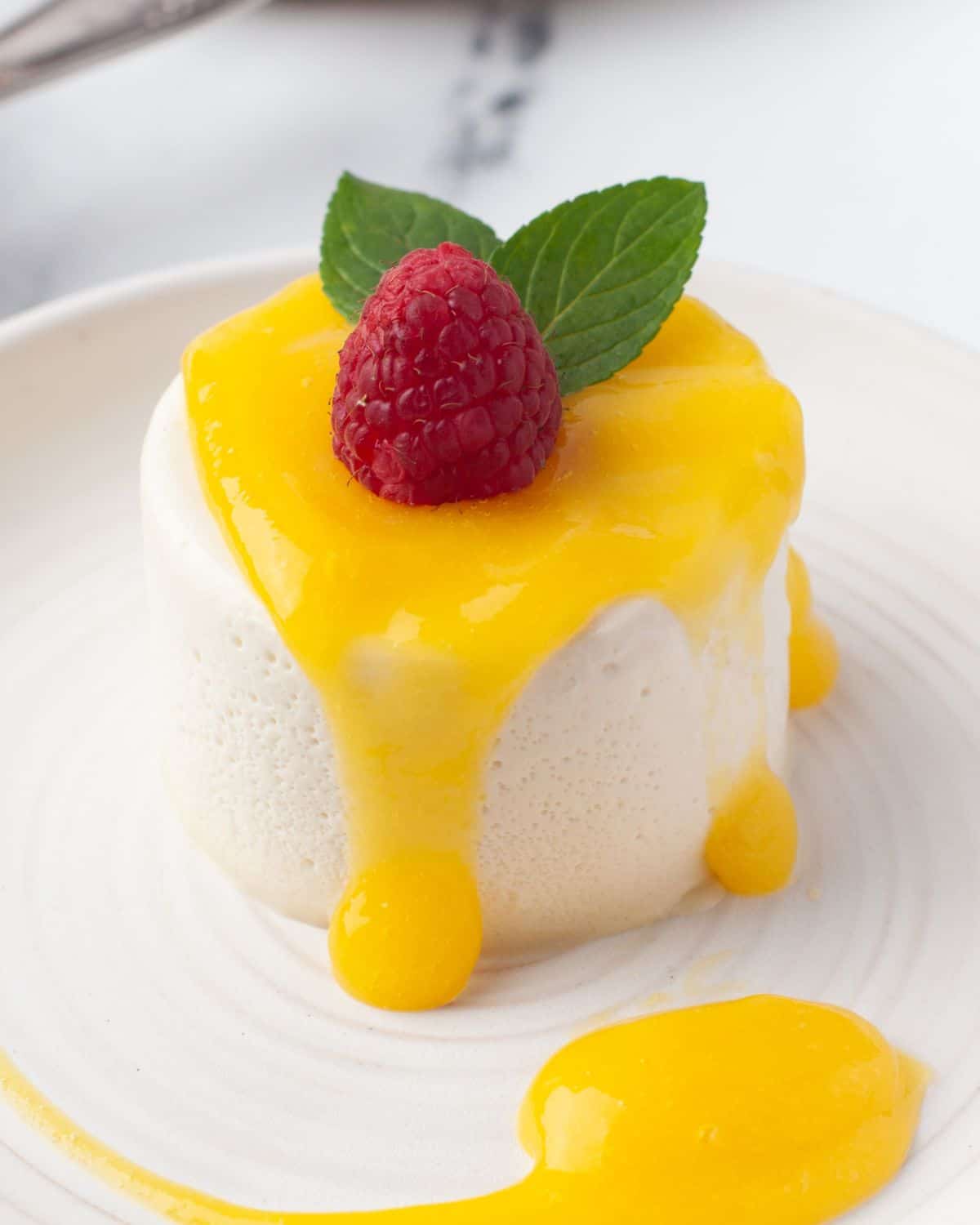
Step 6: Unmold and serve. Turn the panna cotta out onto plates if you used silicone molds, or serve straight in the ramekins. Spoon the cooled mango sauce over the top and serve chilled. A single raspberry and a small sprig of fresh mint on top make it look like a restaurant plated it - completely optional, but worth it for guests.
How to Unmold Panna Cotta Cleanly
If you used greased silicone molds, gently pull the edge of the mold away from the panna cotta to break the seal, then invert onto a plate and press lightly on the bottom of the mold. For ramekins you want to unmold, dip the bottom of the ramekin in warm (not hot) water for about 10 seconds, run a thin knife around the edge, and invert onto the plate. If it resists, another few seconds in warm water usually does it - don't force it.
Variations
- Berry sauce: Swap the mango for strawberries or mixed berries using the same sugar-lemon-water method.
- Coconut twist: Replace half the heavy cream with full-fat coconut milk for a tropical version that pairs beautifully with the mango.
- Citrus lift: Add a little lime zest to the mango sauce for extra brightness.
- Vanilla bean: Use the seeds from half a vanilla bean instead of extract for a speckled, dinner-party look.
👩🍳 Tips from My Kitchen
I made this panna cotta several times before it was reliable enough to share - here's what actually matters after all that testing.
- Grease silicone molds every time. My first ungreased batch tore on the way out. A whisper of neutral oil applied with a paper towel gives a clean release without any greasy taste.
- Don't let the cream boil. You want it just at a bare simmer with small bubbles at the edges. A full boil can weaken the gelatin and leave you with panna cotta that never firms up.
- Do the spoon test on the gelatin. After whisking, drag a spoon through the cream - if you feel even a hint of graininess, keep whisking off the heat until it's completely smooth.
- Taste your mango before adding sugar. A very ripe mango may only need one tablespoon of sugar in the sauce; an underripe one may need the full two plus the lemon juice to wake it up.
- Family verdict: Carly declared the mango sauce good enough to eat with a spoon - make extra, because it's also wonderful over ice cream and yogurt.
Make-Ahead and Storage
This is the rare dessert that genuinely improves your hosting life. Make the panna cotta up to 2-3 days ahead and keep it covered in the fridge. Store the mango sauce separately in an airtight container for up to 5 days, and spoon it over just before serving so the tops stay pristine. I don't recommend freezing panna cotta - the texture turns weepy when it thaws.
Frequently Asked Questions
Why didn't my panna cotta set?
The usual culprits are gelatin that never fully dissolved, cream that came to a full boil (which weakens gelatin), or not enough chilling time. Whisk until completely smooth off the heat and give it a minimum of 4-6 hours in the fridge - overnight if you can.
Can I use frozen mango for the sauce?
Yes, and you don't even need to thaw it first. Add the frozen chunks straight to the saucepan - they may need an extra minute or two of simmering to soften before you blend.
How far ahead can I make panna cotta?
Two to three days, covered in the refrigerator. Keep the mango sauce in its own container and add it just before serving.
How hot should the cream get?
Just to a bare simmer - small bubbles at the edge of the pan and steam rising. If it reaches a rolling boil, the gelatin may not set properly.
Is panna cotta gluten free?
Yes - panna cotta is naturally gluten free since it's made from cream, sugar, gelatin, and vanilla. As always, check your ingredient labels if you're cooking for someone with celiac disease.
More Easy Make-Ahead Desserts
If you love a dessert you can make the night before, try these next:
Panna Cotta with Mango Sauce
Ingredients
Panna Cotta:
- 1 ½ cups heavy cream
- 2 ¼ teaspoons plain gelatin slightly less than 1 packet
- 3 tablespoons granulated sugar
- 1 teaspoon vanilla extract or seeds from ½ vanilla bean
Mango Sauce:
- 1 cup ripe mango fresh or frozen, diced
- 2 tablespoons granulated sugar adjust to taste
- 1 teaspoon lemon juice
- 2 tablespoons water
Garnishes (optional)
- fresh raspberries
- mint leafs
Instructions
For the Panna Cotta:
- Prep the molds — If using silicone molds, lightly grease each cavity with a neutral oil (canola, sunflower, or grapeseed) using a paper towel or pastry brush so the panna cotta releases cleanly. Ramekins you’ll serve in can stay ungreased.
- Heat the cream — In a small saucepan, combine the heavy cream, sugar, and vanilla. Warm over medium heat, stirring occasionally, until the sugar dissolves and the mixture just begins to simmer. Do not let it fully boil.
- Bloom and dissolve the gelatin — Remove from the heat and sprinkle the gelatin evenly over the hot cream. Let it sit 1 minute to bloom, then whisk thoroughly until completely dissolved and smooth.
- Pour and chill — Cool 5–10 minutes, then pour into the prepared ramekins or molds. Refrigerate at least 4–6 hours, until fully set.
For Mango Sauce:
- Simmer the sauce — In a small saucepan, combine the mango, sugar, water, and lemon juice. Bring to a simmer over medium heat and cook 8–10 minutes, stirring occasionally, until the mango is soft and the sugar has dissolved.
- Blend — Remove from the heat and purée with an immersion blender (or a regular blender) until smooth. For a chunkier sauce, mash with a fork instead. Cool before serving; it thickens as it stands.
To serve:
- Unmold and serve. Turn the panna cotta out onto plates if you used silicone molds, or serve straight in the ramekins. Spoon the cooled mango sauce over the top and serve chilled. Add a single raspberry and a mint leaves if desired.
Notes
Frozen mango works straight from the freezer — add 1–2 extra minutes of simmering.
If unmolding from ramekins, dip the base in warm water for about 10 seconds and run a thin knife around the edge first.


4 Comments