
Mini Lemon Meringue Tarts

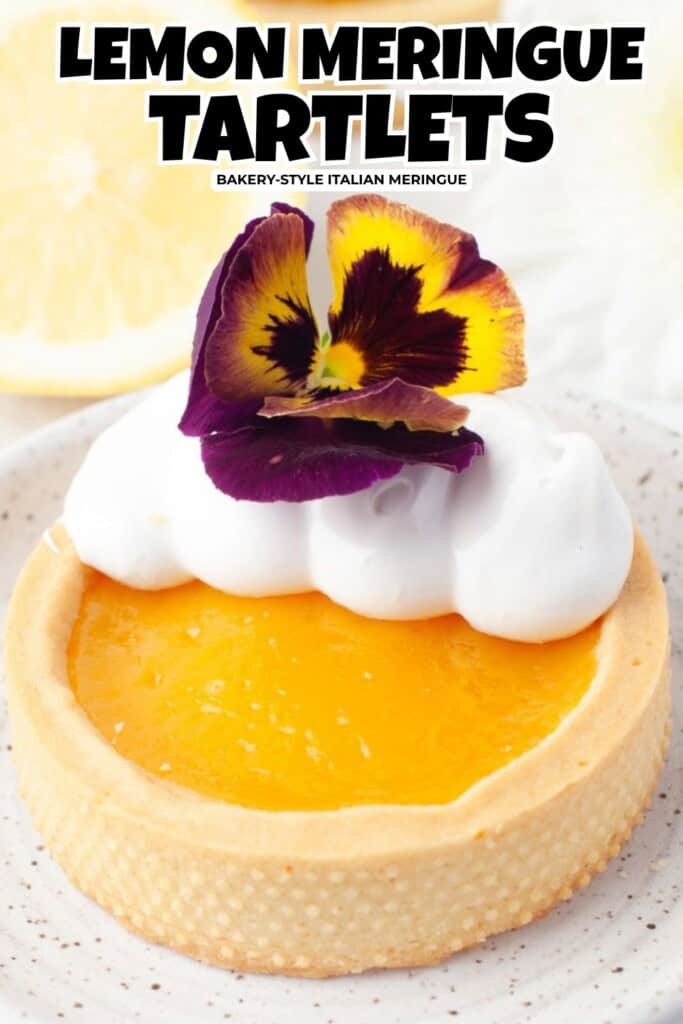
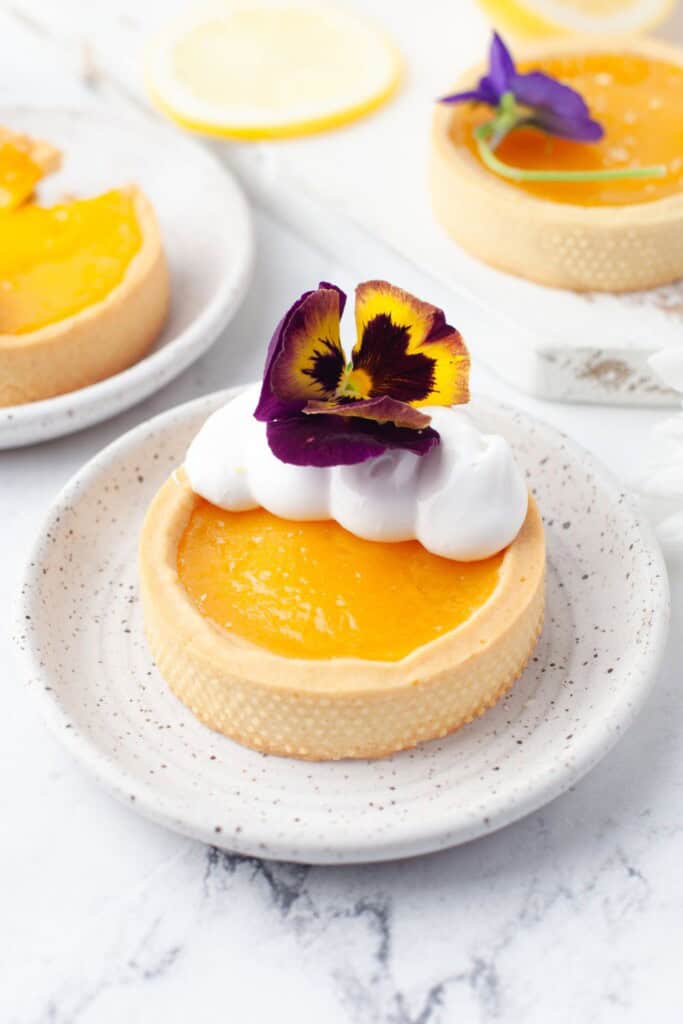
These mini lemon meringue tarts are individual-sized lemon tartlets built on a crisp pâte sucrée shell, filled with a bright baked lemon curd, and finished with a glossy, stable Italian meringue. My daughter Carly and I made these over three test batches before the curd set exactly the way we wanted - clean enough to slice without weeping, which is the part most mini tart recipes quietly get wrong. If you've ever had a lemon tartlet turn runny or end up with a soggy crust, this is the method that fixed both for us.
This post contains affiliate links. As an Amazon Affiliate, I earn a commission on qualifying purchases.
Why You'll Love These Lemon Meringue Tartlets
- Individual servings. Every tart is its own portion - no slicing, no arguing over who got the bigger piece. Perfect for parties, showers, or a single bright treat with afternoon coffee.
- Make-ahead friendly. The shells and the lemon curd can both be made a day ahead. You only assemble and add the meringue close to serving.
- A meringue that actually holds. Italian meringue is cooked as you make it, so it stays glossy and stable for hours instead of weeping or sliding off the curd.
- Bakery-style at home. Crisp crust, smooth tangy curd, billowy meringue - it looks far more involved than it is.
Ingredient Notes
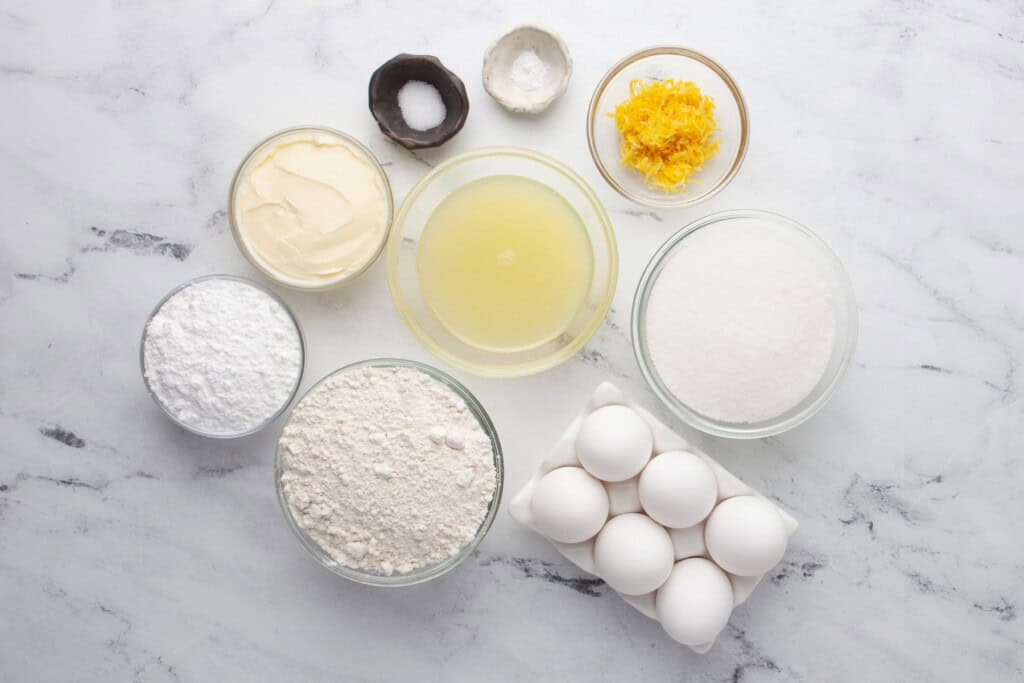
These tarts come together in three simple components, and a few ingredients are worth a quick word before you start.
- Cold cubed butter for the crust. Pâte sucrée stays tender and "short" when the butter goes in cold. Warm butter is the fastest way to a greasy, tough shell.
- Fresh lemon juice and zest. Bottled juice works in a pinch, but the zest is where most of the bright lemon flavor lives - don't skip it. You'll need about two lemons for ½ cup of juice plus 2 tablespoons of zest.
- Cream of tartar in the meringue. A small amount stabilizes the egg whites so they whip up tall and stay that way after you stream in the hot syrup.
How to Make Mini Lemon Meringue Tarts
Here's the flow at a glance - full quantities and step-by-step timing are in the recipe card below.
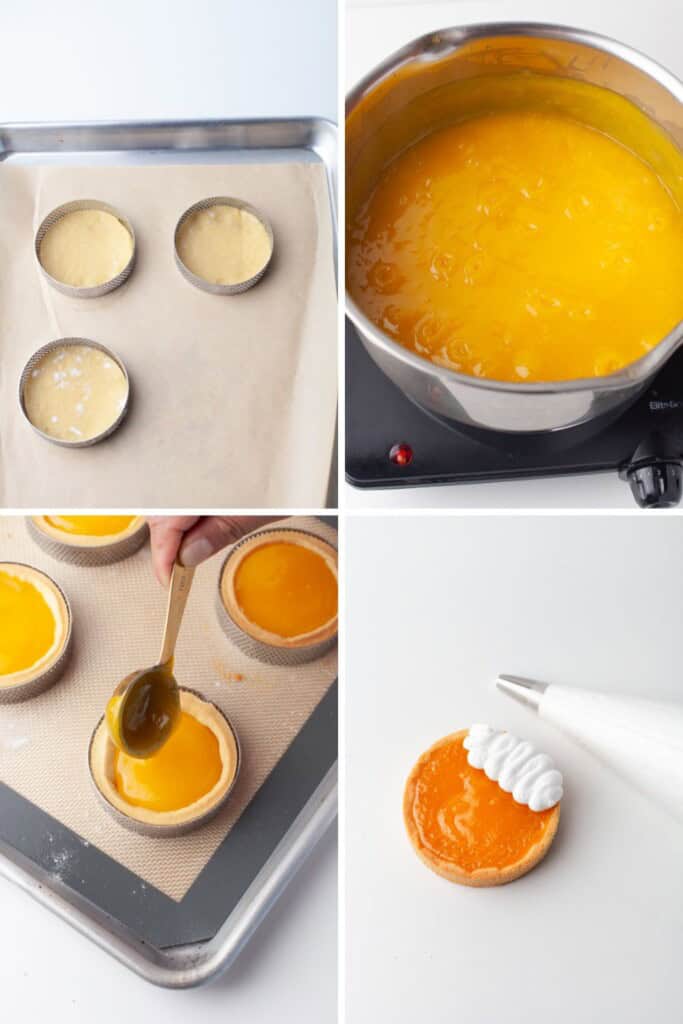
- Make the crust. Cream the butter and powdered sugar, work in the eggs and flour just until it comes together, chill, roll to about ⅛ inch (3 mm), line your tart molds, chill again, and blind-bake until lightly golden.
- Make the lemon curd. Cook the eggs, sugar, lemon juice, zest, and butter gently until it thickens to about 170°F and coats the back of a spoon, then strain it smooth. Fill the baked shells, give them a short bake to set the edges, and chill.
- Make the Italian meringue. Cook a sugar syrup to 240°F while you whip the whites with cream of tartar, then stream the hot syrup in and whip to stiff, glossy peaks.
- Assemble and finish. Pipe or dollop the meringue onto the chilled tarts, then torch lightly for color or leave it pillowy white. Garnish and serve.
Italian Meringue vs. French and Swiss
This is the choice that makes or breaks a mini lemon meringue tart, so it's worth understanding. French meringue is raw whites whipped with sugar - it's the least stable of the three and usually needs to be baked to cook the egg and hold its shape, which can leave it weeping or shrinking on top of a delicate tart. Italian meringue (what this recipe uses) is whipped while you stream in a hot sugar syrup, which gently cooks the whites as they whip. The result is glossy, sturdy, safe to eat without further baking, and it holds its shape beautifully for hours. Swiss meringue is a close cousin - whites and sugar warmed together over a water bath, then whipped - and it works well here too. For individual tarts that need to sit pretty on a dessert table, Italian is my go-to.
Variations
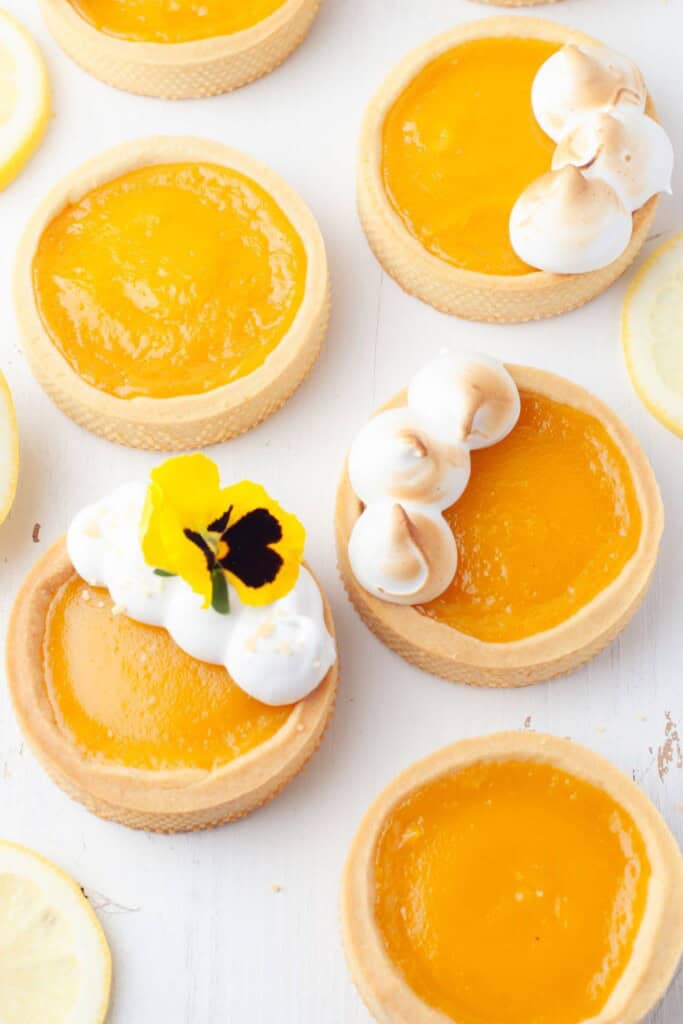
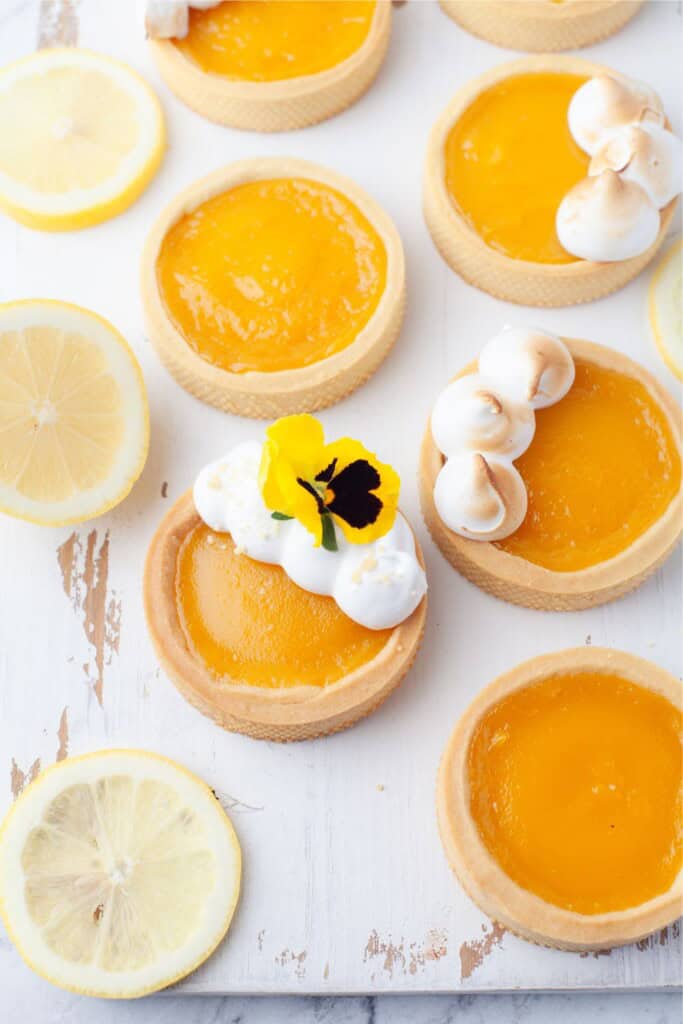
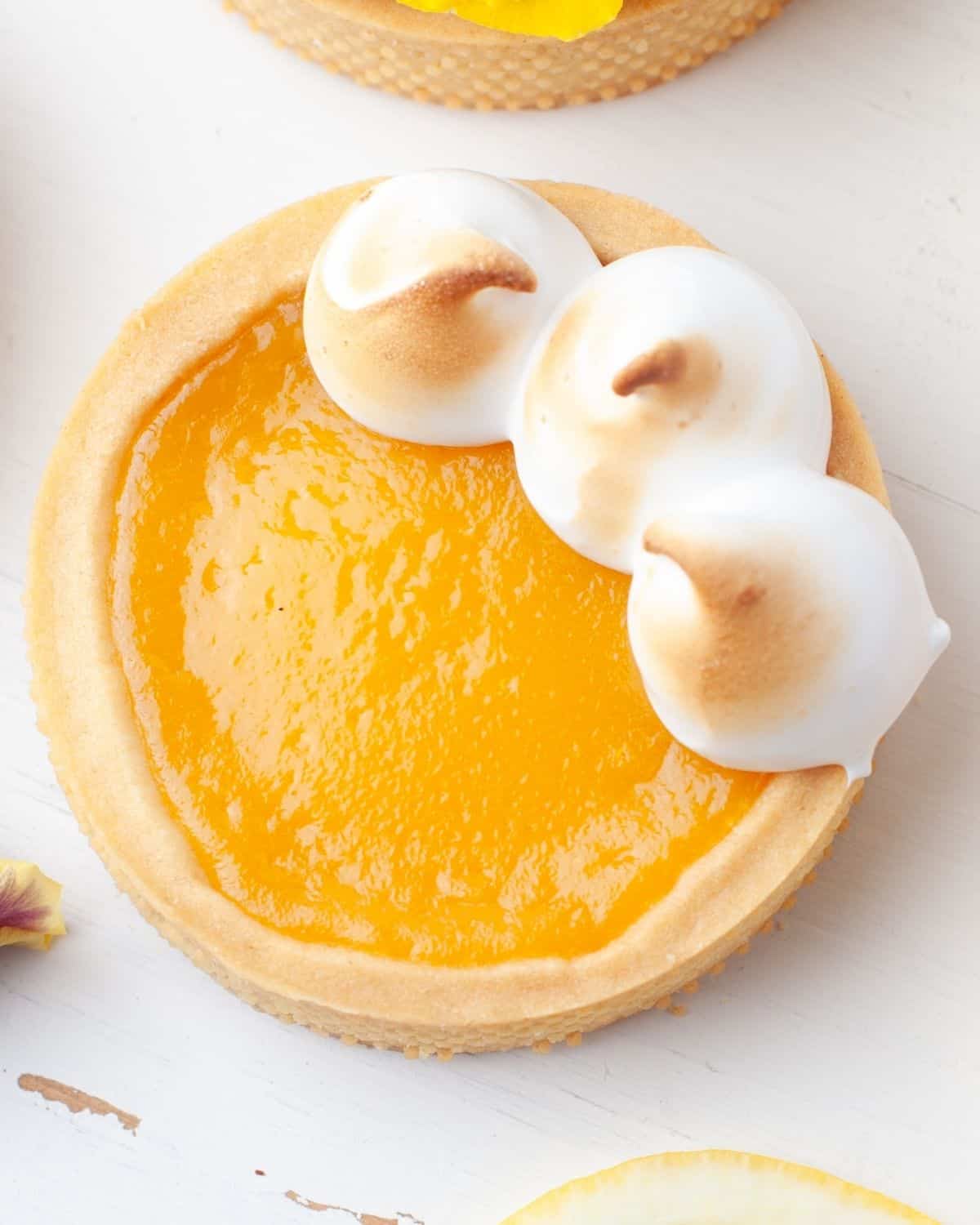
- Torch it or leave it white. Because Italian meringue is already cooked, browning is purely aesthetic. A quick pass with a kitchen torch gives golden tips; left white (as pictured), it reads clean and modern.
- Swap the citrus. Lime or orange juice and zest work in place of lemon for a different bright note - adjust the sugar slightly if your fruit is sweeter.
- Graham cracker crust. Short on time? A pressed graham crust stands in for the pâte sucrée and pairs well with the tangy curd.
- Store-bought shortcut. Pre-baked tartlet shells and good-quality jarred lemon curd turn this into a 20-minute assembly job - you'll still want to make the meringue fresh.
- Garnish. Edible flowers like pansies or violas, a few curls of lemon zest, or a thin lemon slice all dress these up for a special occasion.
Prefer one big tart instead of individual servings? Try my easy lemon tart recipe for a full-size, meringue-free version.
👩🍳 Tips from My Kitchen
I've made these tarts more times than I can count, and almost every problem people run into comes down to one of these five things. Here's what testing taught us.
- Chill the lined shells before they bake. The thirty-minute chill after lining the molds is the step everyone skips - and it's exactly why crusts slump and shrink down the sides. Cold dough holds its shape. Don't rush it.
- Cook the curd to 170°F, then strain it. I tested pulling it earlier and it never set cleanly. At 170°F it coats the spoon; straining catches any cooked egg bits so the filling slices smooth instead of weeping.
- Stream the hot syrup in slowly. Pour it down the side of the bowl with the mixer running, not all at once - dumping it cooks the whites unevenly and you lose the glossy volume. Whip to stiff, glossy peaks before you pipe.
- Blind-bake fully and cool completely before filling. A warm or underbaked shell is a soggy shell. Let them cool all the way; the crust stays crisp under the curd.
- Carly's verdict: she likes them left white and pillowy, no torch. We tested both side by side - torched looks bakery-classic, white looks fresh and modern. You really can't go wrong, so pick your look.
Looking for more delicious lemon recipes? Give these reader favorites a try!
- Easy Lemon Raspberry Cake Recipe
- Easy Lemon Tart Recipe
- Copycat Starbucks Lemon Loaf
- Vintage Lemon Fluff Salad
- Lemon Crinkle Cookies with Cake Mix
Frequently Asked Questions
Can I make mini lemon meringue tarts ahead of time?
Yes - partially. The baked tart shells and the lemon curd can both be made up to a day ahead and stored separately (shells at room temperature, curd in the fridge). Assemble and add the Italian meringue close to serving for the best texture, since meringue is happiest fresh.
What's the difference between Italian, Swiss, and French meringue?
French meringue is raw whites whipped with sugar and is the least stable - it usually needs baking. Swiss meringue warms the whites and sugar over a water bath before whipping. Italian meringue, used here, whips the whites while you stream in a hot sugar syrup, which cooks them as they whip and produces the glossiest, most stable result. Both Italian and Swiss are safe to eat without further baking.
Do I have to torch the meringue?
No. Italian meringue is already cooked through from the hot syrup, so torching is purely for color and a touch of toasty flavor. Leave it pillowy white or give it a light pass with a kitchen torch - both are delicious.
Why didn't my lemon curd set?
Almost always because it didn't cook long enough. The curd needs to reach about 170°F and visibly thicken to coat the back of a spoon before you take it off the heat. If it's still loose after chilling, it was likely pulled too early.
Can I use store-bought tart shells or lemon curd?
Absolutely. Pre-baked tartlet shells and good jarred lemon curd turn this into a quick assembly project. If you go that route, still make the Italian meringue from scratch - it's what gives these tarts their bakery finish.
How do I store lemon meringue tartlets?
Keep them in the refrigerator and enjoy within 2 to 3 days. The crust is crispest on day one and softens gradually. If you're making them well ahead, store the components separately and assemble the day you plan to serve.
If elegant individual desserts are your thing, try my panna cotta topped with homemade mango sauce next - it looks just as impressive and you can make it two days ahead.

Mini Lemon Meringue Tarts
Ingredients
Sweet Tart Dough (Pâte Sucrée)
- 2 ⅓ cups all-purpose flour
- ½ cup powdered sugar
- ¼ teaspoon salt
- ¾ cup unsalted butter cold and cubed
- 2 small eggs
Lemon Filling
- 3 large eggs
- 2 egg yolks
- 1 cup granulated sugar
- ½ cup fresh lemon juice
- 2 tablespoon lemon zest about 2 lemons
- ⅓ cup unsalted butter
Italian Meringue
- 2 large egg whites
- ½ cup granulated sugar
- ¼ cup water
- ½ teaspoon cream of tartar
Instructions
Make the Pâte Sucrée
- Cream the base. Cream the cold cubed butter with the powdered sugar until smooth and well combined.
- Add the eggs. Beat in the eggs until incorporated.
- Add the flour. Mix in the flour just until combined — don't overwork it, or the crust turns tough. Refrigerate 15–20 minutes.
- Roll and line. Roll the dough to about 1⁄8 inch (3 mm). Line your tart molds, pressing gently to fit.
- Chill the shells. Refrigerate the lined shells 30 minutes so they hold their shape while baking.
- Blind-bake. Bake at 300°F (150°C) for 15 minutes, until lightly golden. Make the curd while they bake.
Make the Lemon Curd
- Whisk the eggs. In a medium bowl, whisk together the whole eggs and yolks. Set aside.
- Heat the lemon base. In a medium pot, combine the lemon zest, juice, butter, and sugar. Heat over medium, stirring often, until the butter melts and it begins to bubble.
- Temper. Off the heat, slowly pour the hot mixture into the eggs, whisking constantly to prevent curdling.
- Cook to 170°F. Return everything to the pot and cook over low heat, whisking constantly, until it thickens to about 170°F and coats the back of a spoon.
- Strain. Strain the curd into a bowl; cover with plastic wrap pressed onto the surface to prevent a skin.
- Fill and set. Pour the curd into the baked shells, smooth the tops, and bake at 300°F (150°C) for about 8 minutes, just until the edges set. Chill at least 2 hours.
Make the Italian Meringue
- Start the syrup. In a small saucepan, combine the sugar and water. Heat over high, stirring until it boils, then stop stirring.
- Start the whites. When the syrup reaches 230°F, begin whipping the egg whites with the cream of tartar on medium speed — you want them frothy by the time the syrup hits 240°F.
- Stream and whip. With the mixer running, slowly pour the 240°F syrup down the side of the bowl into the whites (careful — it's extremely hot). Increase to high and whip to stiff, glossy peaks.
Assemble & Finish
- Top the tarts. Pipe or dollop the Italian meringue onto the chilled lemon tarts.
- Finish. Torch lightly for golden tips, or leave it pillowy white as pictured.
- Garnish and serve. Finish with edible flowers (pansies/violas), a curl of lemon zest, or a thin lemon slice. Serve chilled.
Notes
• Italian meringue is cooked by the hot syrup, so it's safe to eat untorched. Add it close to serving for the best look.
• Make-ahead: baked shells (room temp, 1 day) and curd (fridge, up to 3 days) can be prepped ahead; assemble and add meringue the day you serve.



4 Comments