
Tips on Iron Supplementation for Runners
Check out these great Tips on Iron Supplementation for Runners by Holly Martin, a San Francisco based running coach and personal trainer.
Everyone needs iron, and runners really need iron. In fact, InsideTracker reports that 50% of female runners, and 8-10% of male runners are low in iron. There are several reasons that can cause this iron deficiency.

First, iron is found in red blood cells (RBCs), exercise tends to expedite the breakdown of these oxygen delivering RBCs. High-impact activity like running can shorten the lifespan of RBCs due to the landing it requires. So, it is important to make sure you are running efficiently. There are various online running training plans that can guide you on how to excel at running.
•Tips to Prevent Running Injuries
Iron is also lost through sweat, urine, and the gastrointestinal tract. For women, menstruation can deplete levels of iron in the body. These are just a few of the reasons that runners may have decreased levels of iron in their body.
Why do we need iron?
Iron helps with oxygen transport. It is a part of hemoglobin, the substance in RBCs that carries oxygen to different parts of the body. If you are not getting enough iron, your body cannot make sufficient hemoglobin. "Anemia," commonly thought of as iron deficiency, means that your body is not producing enough hemoglobin. Symptoms of anemia include but are not limited to dizziness, headaches, feeling tired, feeling cold, and trouble breathing. Anemia and its symptoms can stunt an otherwise effective running workout plan. So, it's important that athletes are aware of their iron levels and seek out medical attention if they experience symptoms of anemia.
Tips on Iron Supplementation for Runners
What is the best way to get more iron?
Nutrition for runners is critically important. Consuming a whole food diet is not only a great way to maintain proper nutrition, it is also the best way to take in iron. Foods like lean cuts of red meat, organ meat, beans such as lentils, dark chocolate, and leafy greens are all excellent sources of iron. As you design meals around these whole foods, keep in mind that fiber inhibits iron absorption. So if you can swing it, aim for whole-food-based meals that are high in iron and low in fiber.
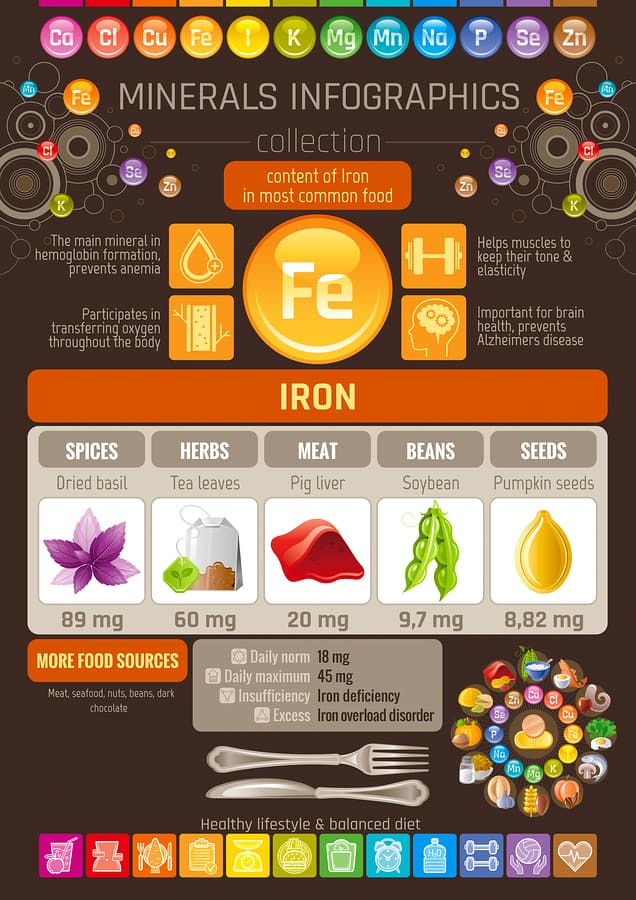
Iron supplements are another way in which runners can meet their iron needs. If you're going to take a supplement, a liquid iron supplement is preferred. This is because liquid iron has a higher absorption rate and has fewer side effects. In contrast, an iron pill supplement often causes nausea and constipation, and it does not absorb quite as well as liquid. The down side with liquid iron, as you might imagine, would be the taste.
Tips for Taking Iron Through Supplements
No matter if you're taking a liquid or a pill iron supplement, it is important to take it on an empty stomach. This is due to the fact that our body does not absorb iron supplements well, so food can interfere with the absorption rate. Aim to take your iron supplement either one hour before a meal, or two hours after a meal. If you stop eating two hours before you go to bed, then taking your iron supplement right before going to bed is a great solution.
•Post-Workout Protein for Sensitive Stomachs
Another option would be to skip one of your snacks between meals, and make one meal slightly larger instead. For example, eat a big breakfast and skip the snack between breakfast and lunch. Take your iron in that window, one hour before lunch.
Again, the goal here is to boost your body's ability to absorb the iron supplement. And the perfect meal plan for runners looks different for everyone. If you're more of the constant snacker and that works for you, there is still a way to maximize iron absorption. Try to take your iron supplement with a snack that is high in Vitamin C, and low in fiber. Oranges, red bell peppers, and kiwi are all great options here.
Tips for Consuming Iron Through Whole Foods
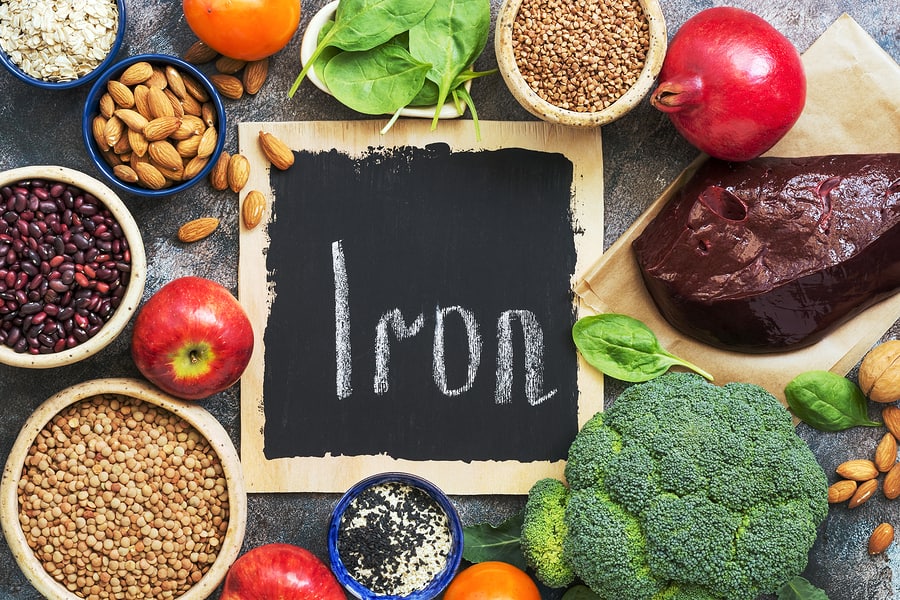
If you're consuming iron through a whole food, however, know that your iron absorption capability is limited when your inflammation levels are high. So, while it may be tempting to save that nice steak for after a tough workout, that's actually not the best time to consume your iron-rich foods.
•Inflammation Fighting Orange Smoothie
Your inflammation levels are higher after you train, and that could get in the way of your iron absorption. Instead, save that steak for an easy training day or a recovery day, when your inflammation levels will be lower.

So runners, there it is. Iron is important, and there is a good chance you're not getting enough of it. Aim to bump up your intake of iron-rich whole foods, or work a supplement into your diet on an empty stomach. Maximize your body's oxygen distribution mechanism so that you can crush your running goals!
About Author:
Holly Martin is a San Francisco-based running coach and personal trainer. With a 20+ year  background in dance, Holly brings a strong focus on technique and mobility to all of her coachings. Currently, she coaches online with The Run Experience, an online training community that specializes in providing training plans for marathon, half marathon, 5k running workouts and more. She trains clients at Midline Training and Nfinite Strength. Get in touch with them to learn more about various effective tips for running.
PIN IT HERE:





14 Comments