Antipasto vs Charcuterie: What's the Difference?
This post may contain affiliate links. As an Amazon Affiliate, I earn a commission on qualifying purchases.
Antipasto vs Charcuterie: What's the Difference?
Antipasto vs Charcuterie: These boards are popular appetizers for family gatherings, dinner parties, and special occasions. But what is the difference between these two favorite appetizers? This blog post will explore the similarities, differences, and nuances between antipasto and charcuterie to help you decide which one is right for your next gathering.
What Is Charcuterie?
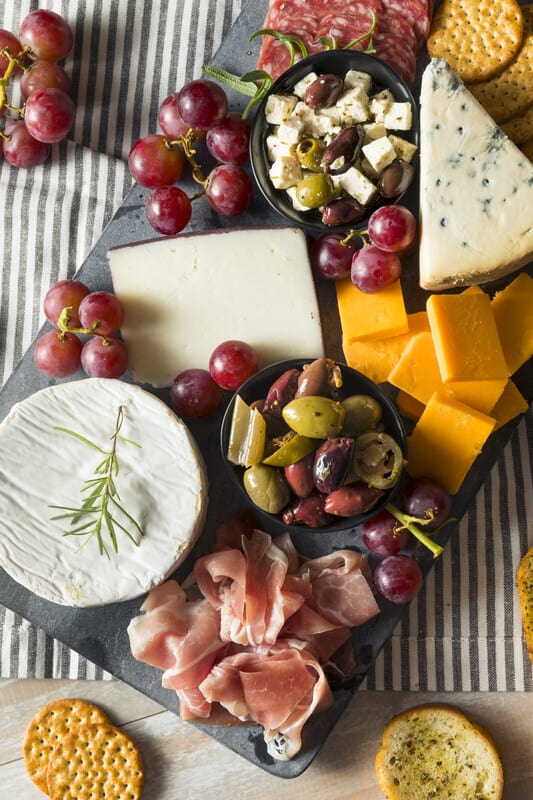
Charcuterie (pronounced Shahr-KOO-uh-ree) is a French word that refers to smoked, cooked, and cured meats such as sausages, bacon, ham, and pâtés. It is served with breads or crackers. However, it can also include an assortment of cheeses, nuts, marinated olives, pickles, honeycomb butter, or jam-essentially anything that adds flavor to the plate! It is often served on a wooden board but could also be presented on any platter. Traditionally served cold in France, but it can also be served warm.
What Is Antipasto?
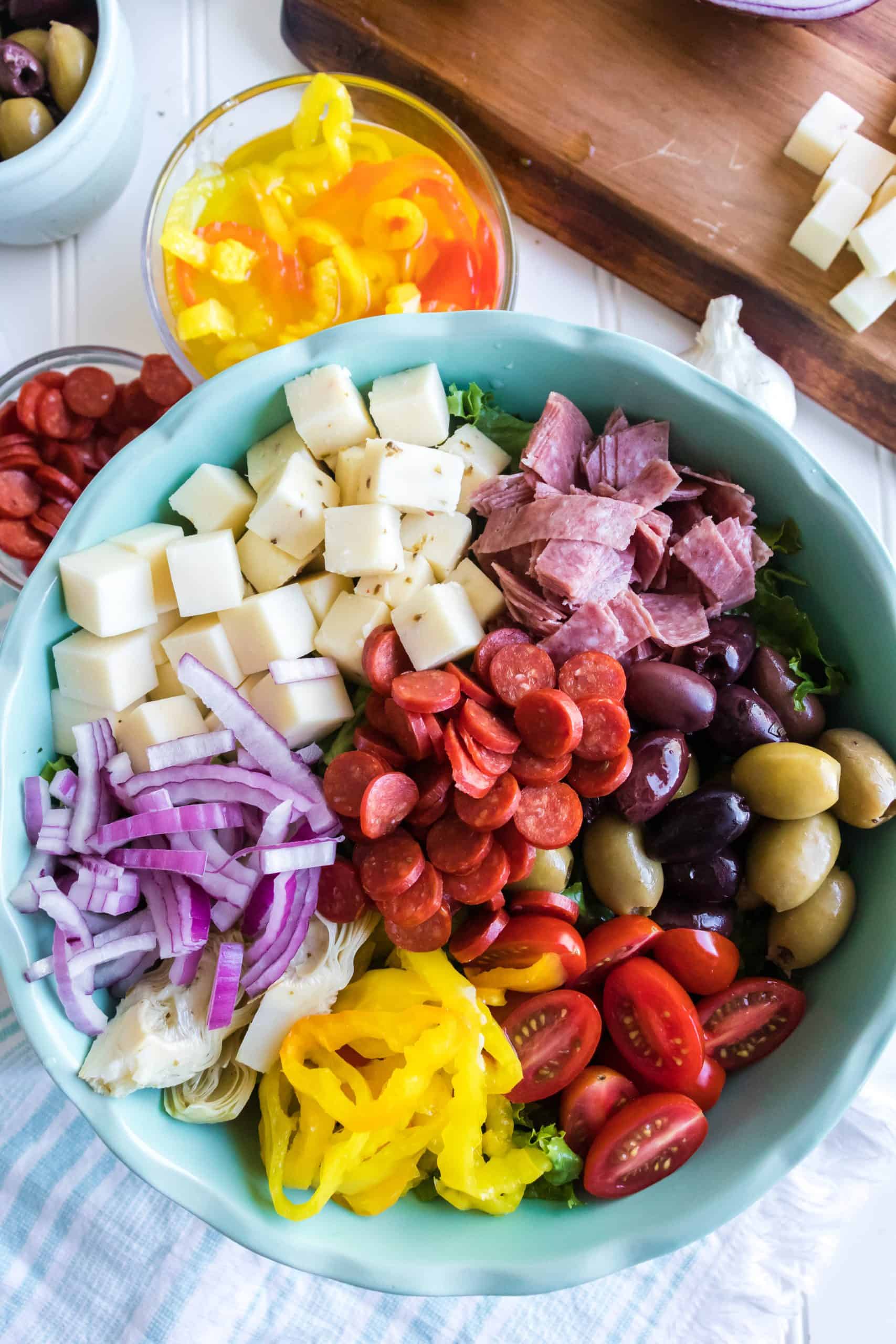
Antipasto (pronounced an-tee-PAHST-oh) is an Italian dish made of various components. It is the first course of an Italian meal, which includes items such as cured meats like Prosciutto or genoa salami. It also has cheeses like mozzarella or cheddar. Marinated vegetables include artichoke hearts; olives; pickles; cherry peppers; mushrooms; anchovies, and capers. It may consist of nuts like almonds or walnuts and fruit such as fresh figs or grapes. It often includes a variety of ingredients served at room temperature. As with charcuterie boards, you can customize your antipasti platter with your favorite Italian snacks.
Looking for some fun twists on traditional charcuterie boards? Give these reader favorites a try!
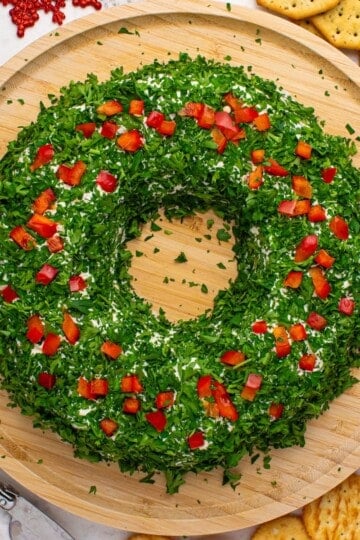
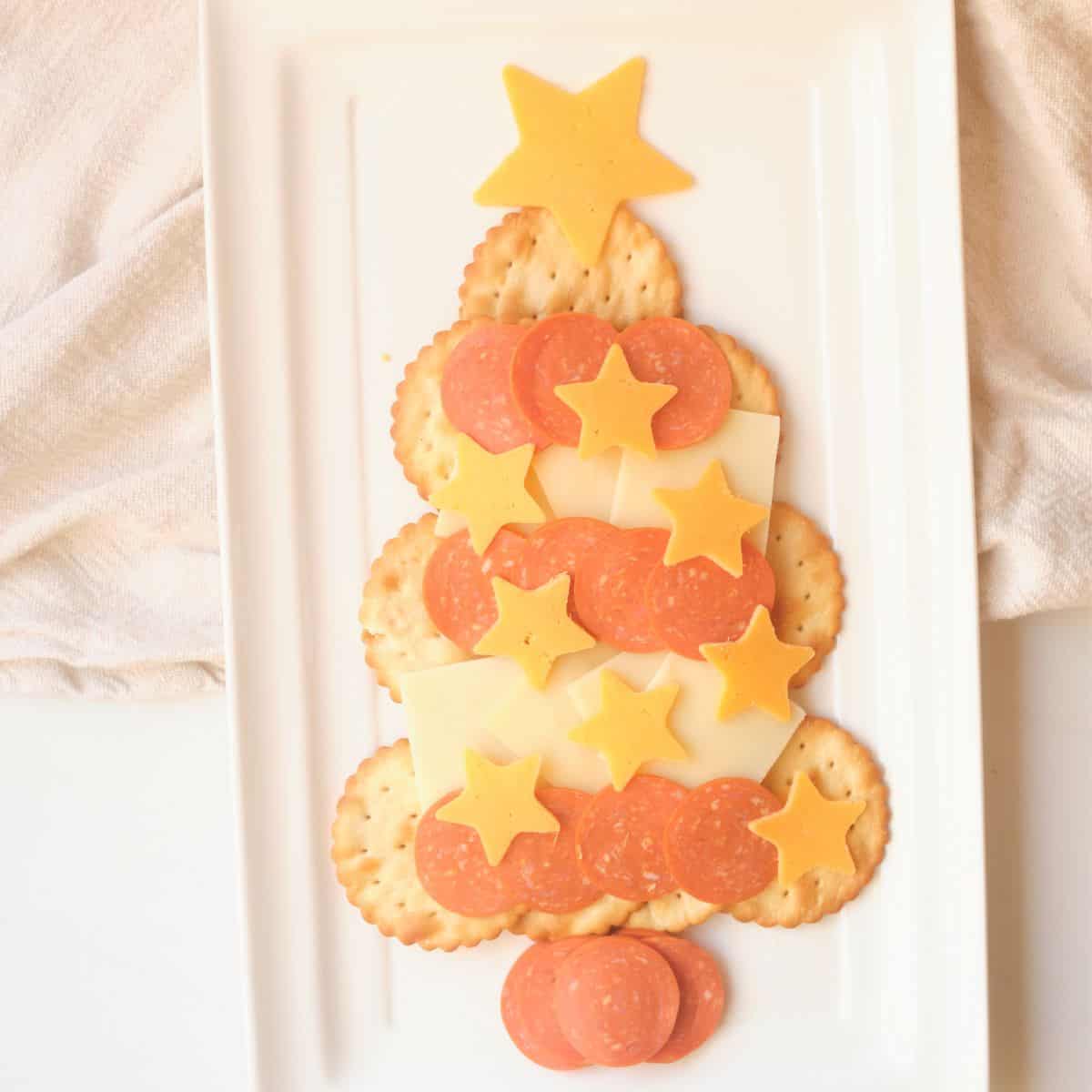
Christmas Charcuterie with Santa Mickey | Charcuterie Wreath | American Flag Fruit and Cheese Platter | How to Make a Loaded S'mores Board
Is it Antipasto or Antipasti?
Antipasti mean "before the meal" in Italian. It is the plural form of the word antipasto. So, it is a starter course, or a hors devour course. So, an individual may order antipasto before a main course. Or a group could order an antipasti board or platter to share.
Antipasto vs Charcuterie
The main difference between charcuterie and antipasto lies in their origins-charcuterie is a French word, while antipasto has its roots in Italian cooking. While both feature cured meats (in specific preparations), charcuterie focuses more on the meat selection, while antipasti offer a wider variety of ingredients, including vegetables and cheese. Another critical difference between charcuterie and antipasti platters is that charcuterie is served either hot or cold, while antipasti must always be served at room temperature.
Items to include on a Charcuterie Board
There are several different types of food items you can find at your local grocery store to use to make a large or even a small charcuterie board.
Crackers: There are a variety of crackers that can be used for a charcuterie board, but some of the best include water crackers, wheat crackers, and multi-grain crackers.
Bread: Bread is another great option for a charcuterie board. Some of the best fresh breads include sourdough bread, crusty baguette, and ciabatta bread.
Cheese: Cheese is a must-have for any charcuterie board. Some great options to include are aged cheddar, brie, blue cheese, and goat cheese.
Meats: There are many different types of meat that can be used for a charcuterie board. A few common cold types of meat include Prosciutto, salami, and chorizo.
Fruit: Fresh fruit is a great way to add sweetness to a charcuterie board. Try adding grapes, strawberries, cherries, blackberries, and blueberries to your next charcuterie board.
Nuts: Nuts are another great way to add flavor and texture to a charcuterie board. Some favorites to include are almonds, pistachios, and cashews.
Olives: Olives are a classic addition to any charcuterie board. Kalamata olives, green olives, and stuffed olives are a perfect addition.
Honey: Honey is a great way to add sweetness to a charcuterie board without using fruit. It can also be used as a dipping sauce for meats and cheeses.
Mustard: Mustard is another excellent condiment for a charcuterie board. It can be a dipping sauce or spread on crackers or bread.
Pickled Vegetables: Quick pickled banana peppers, carrots, asparagus and onions are a nice accompaniment.
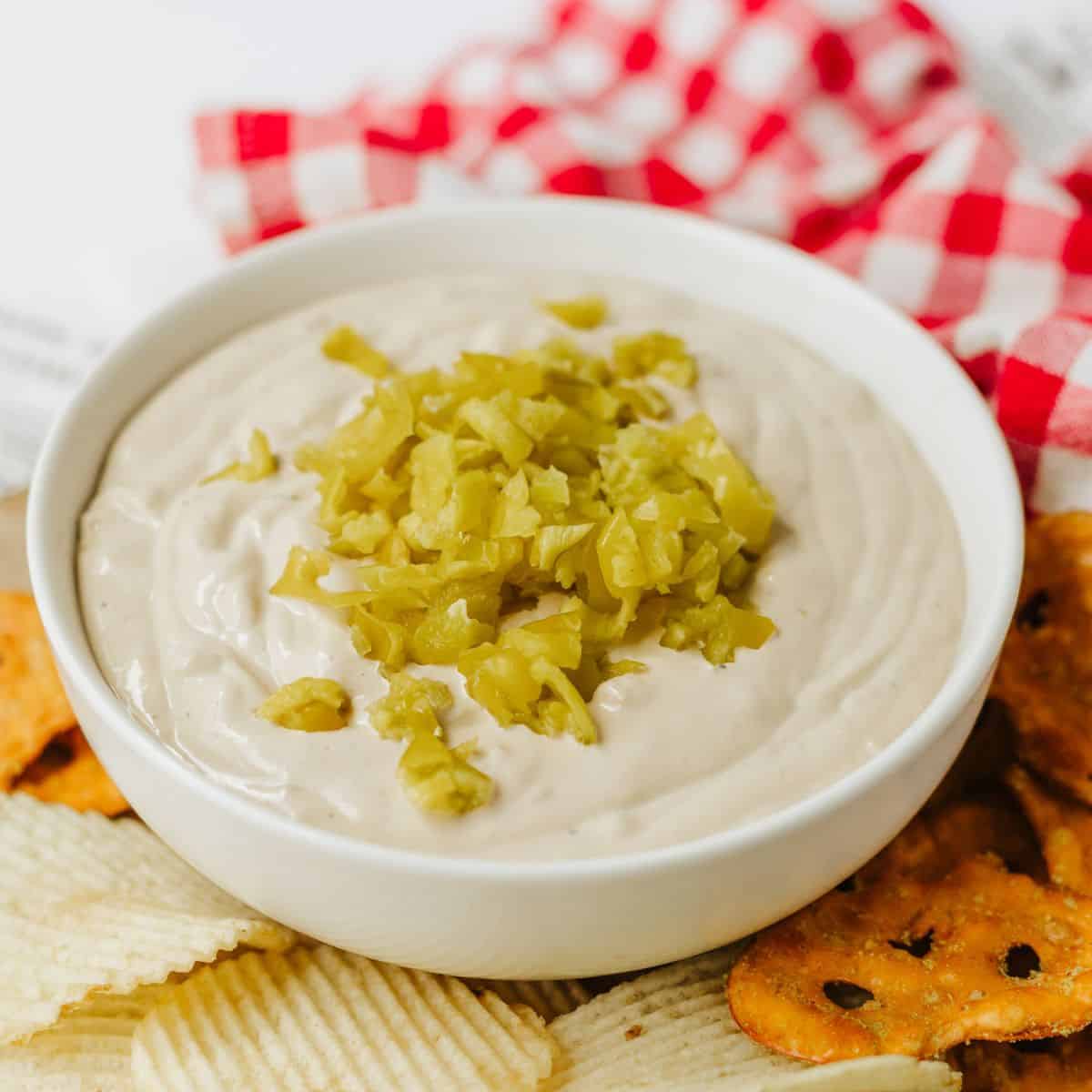
Dips and Spreads: For an Italian-leaning board, try a creamy giardiniera dip made with cream cheese and a jar of Italian pickled vegetables - it doubles as a sandwich spread and brings that Chicago-Italian flavor that pairs naturally with cured meats and crusty bread.
How do you arrange a Charcuterie Platter?
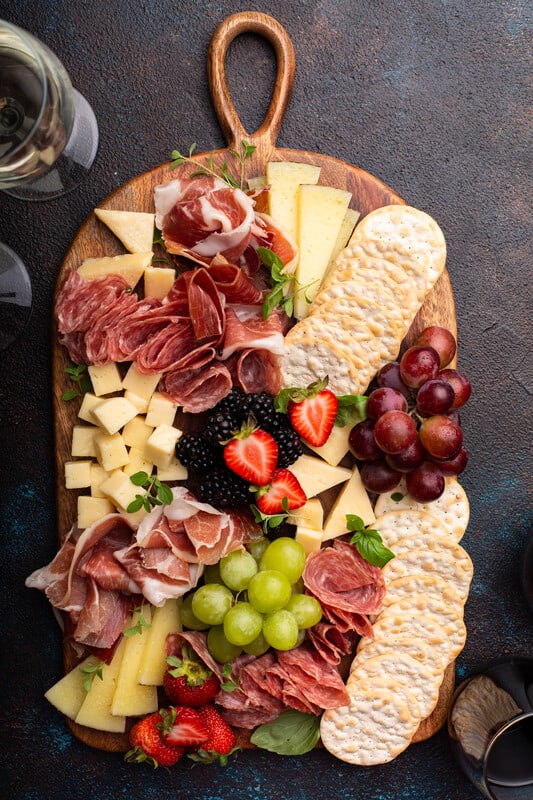
Creating a charcuterie board is an artful way to entertain friends and family. Start by selecting cured meats like salami, soppressata, or Prosciutto; slabs of aged cheese such as Manchego, Fontina, or Brie; olives and nuts in various varieties; and bright-tasting fruit to add contrast. Arrange on a board or platter in sections, providing options for meat eaters and vegetarians alike. Set out knives for slicing cheeses and cured meats, a small bowl for pits from the olives, and napkins for easy clean up afterward. Your charcuterie board will be a delicious centerpiece your guests will appreciate!
Charcuterie vs Cheese Platter
Charcuterie and cheese platters are popular party staples, but they differ. A cheese platter consists of various kinds of cheese served with accompaniments like crackers or jams to complement the flavors. It typically includes hard cheeses like Parmigiano reggiano, soft cheeses like gorgonzola, and stinky cheeses like Camembert. Both charcuterie boards and cheese boards are perfect for hosting gatherings or enjoying a charcuterie night at home - pick whichever you prefer!
Difference between Charcuterie and Crudite
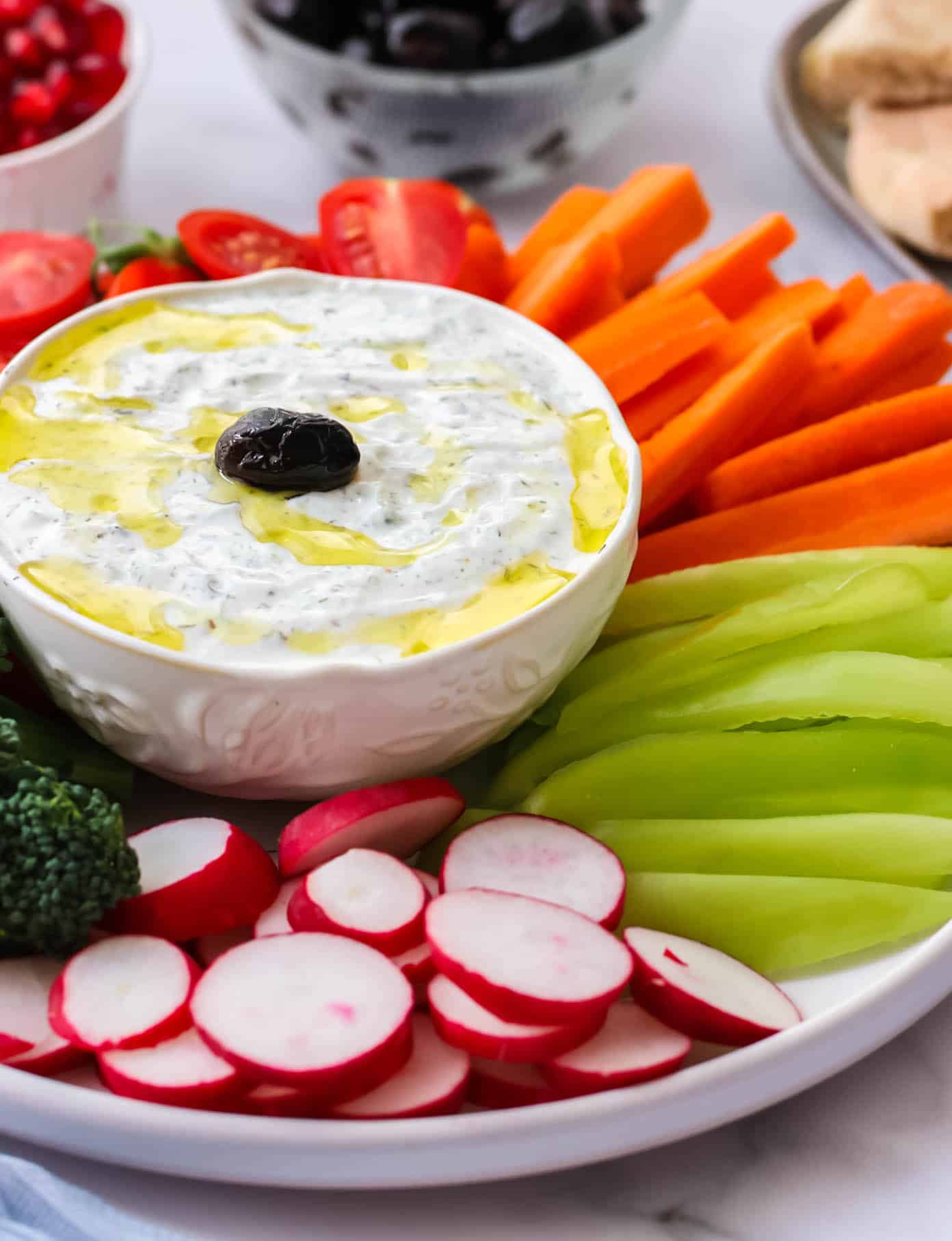
As mentioned, charcuterie focuses on meats. Crudite is a veggie-based appetizer that typically consists of raw vegetables such as carrots, celery, cherry tomatoes, and cucumber cut into thin sticks and served with a dip. Both charcuterie and crudite make for lovely appetizers before any entrée or main course meal.
What is a Grazing Board?
Charcuterie and grazing boards are similar but have some significant differences. Not only will a grazing board give you double the variety compared to charcuterie, but it is also presentationally more impressive due to its sheer range of colors and textures. Grazing boards tend to be more prominent, offering various foods such as dips and spreads, olives, nuts, char-grilled vegetables, savory items, and small bites.
Difference between Antipasto and Pasta
Antipasto and pasta are two Italian staples, but there's an essential distinction between them. Antipasto refers to a course served before the main course of a meal. On the other hand, pasta is a type of noodle that can be used as part of antipasto dishes (such as macaroni salad) or even served as its main dish with sauce and bread. While antipasto and pasta can both be on an Italian menu, they fill two very different roles in providing satisfying meals.
Favorite Antipasto Foods
Olives: Olives are a type of fruit that is an antipasto item. Olives are pitted and then stuffed with various fillings, such as cheese, herbs, or nuts. There are wide varieties of olives, including black, green, and Kalamata.
Capers: Capers are the unopened flower buds of a type of shrub native to the Mediterranean region. They are typically pickled in vinegar or brine and then used as a flavoring agent in various dishes, including antipasto. Capers are often used instead of olives as they have a similar flavor profile.
Artichoke Hearts: Artichoke hearts are the edible portion of the artichoke plant. They are typically canned or jarred and used in various dishes, including antipasto. Artichoke hearts are marinated in olive oil and herbs before being added to an antipasto platter.
Roasted Red Peppers: Red bell peppers have been roasted over an open flame until the skin is blackened. The peppers are then peeled and seeded before being used in a dish. Roasted red peppers are often used in antipasto as they add sweetness and depth of flavor to the dish.
Mushrooms: There are wide varieties of mushrooms, including white mushrooms, brown mushrooms, and shiitake mushrooms. Mushrooms are typically sautéed or grilled before being added to an antipasto platter.
Cheese: There are many different types of cheese, including cheddar cheese, Swiss cheese, and mozzarella cheese balls. Cheese is often used in antipasto as it pairs well with the other ingredients on the platter.
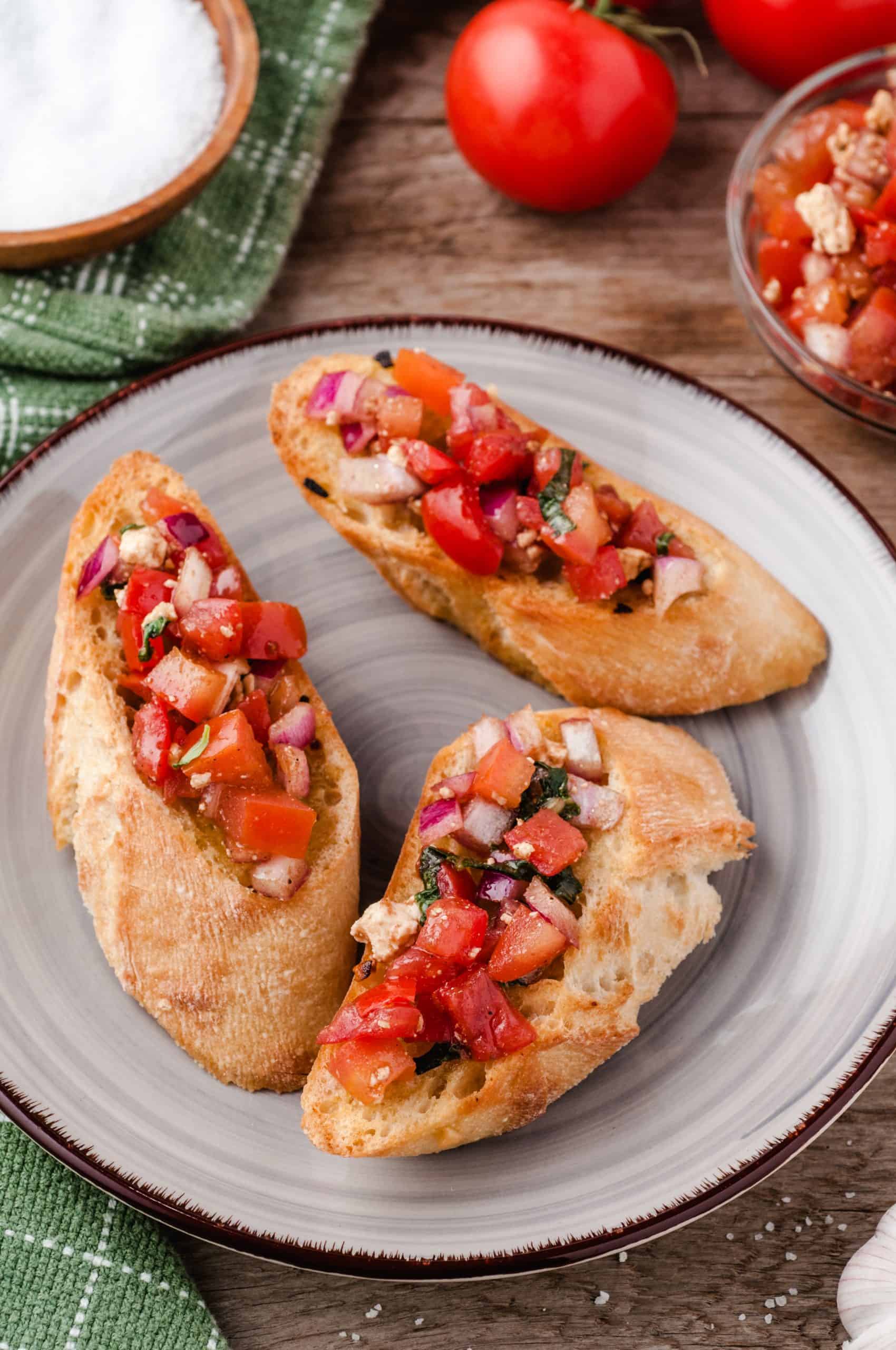
Bruschetta: This is a favorite antipasto! It is grilled bread rubbed with garlic and drizzled with oil and can include other toppings, like in this Bruschetta with Feta and Tomato recipe seen below.
Conclusion
When deciding whether to serve a charcuterie board or an antipasti platter at your next gathering, it's essential to consider what kind of ingredients you'd like to include on your board and any dietary restrictions your guests may have. Charcuterie boards tend to focus more on meat selection. At the same time, antipasti offer a wider variety of ingredients, including vegetables and cheese, so keep this in mind when making your decision! Regardless of which type of board you choose, both options offer delicious flavors that will delight your guests! So go ahead and get creative with your presentation - having fun with food is what it's all about!