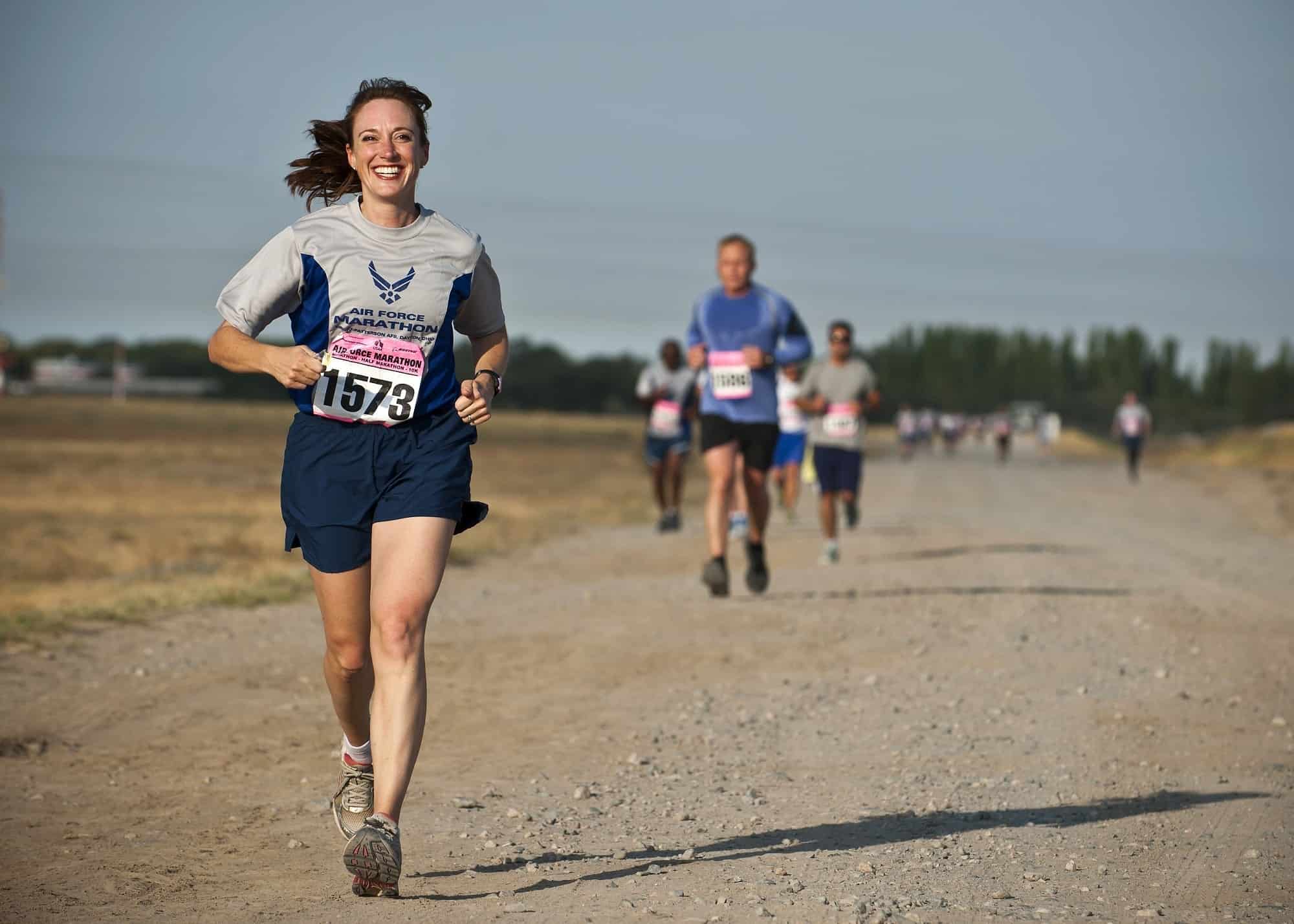
5 Tips for Running Recovery

Whether you're new to running or you've already completed several marathons, you're bound to experience some aches and pains from time-to-time. Muscle soreness is common after a long run or intensive workout but knowing how to handle it will ensure you're back out there in no time.
To enhance your training regime and minimize the risk of injury, check out these top tips for improving your running recovery now.
5 Tips for Running Recovery
Stay hydrated
When you exercise, you sweat more and, therefore, become less hydrated. Unless you rehydrate, this can lead to a variety of symptoms, including muscle soreness. When you're dehydrated, you can also experience headaches, dizziness, and vision problems, so it's something you definitely want to avoid.
Start rehydrating within 15-20 minutes of finishing your run and remember to boost your electrolytes too. You can support endurance, muscle recovery, and hydration by mixing and having a drink that contains essential eaas. It will not only reduce muscle soreness but also allow you to recover and bounce back more quickly after a long run. It contains electrolytes, so you can reach your peak performance by gaining more endurance. You can drink it during your workout or as you are trying to recover post-workout.After a long run or hard workout, a sports drink can be a good way to rehydrate. However, there's no need to sink lots of sugary drinks. With guidance from your clinician, you can determine exactly how much water you need to be drinking to keep you well-hydrated and healthy.
Stretch after you run
Aim to stretch within 20-30 minutes of a run and don't be tempted to skip this portion of your workout. Stretching the major muscle groups will help to prevent muscle stiffness and you'll certainly feel the difference the next day. A decent post-run stretching routine should take around 10-15 minutes but it's one of the most important aspects of your run - and your recovery.
Recognize pain or discomfort
Would you like to save this?
As you become a more experienced runner, you'll get used to 'normal' post-run muscle soreness and pain that's more worrying. Pain-relieving gels, such as DMSO, can help to alleviate discomfort as well as reduce inflammation, so they can be an ideal way to aid your recovery. If you experience sudden or acute pain, however, it may mean that you've sustained an injury of some sort. If so, be sure to get it checked out and rest if you're advised to do so.
Eat high-quality meals
If you want your body to recover well from any type of training, it's important to give it the resources it needs. A healthy, balanced diet offers a variety of benefits but it's particularly effective when it comes to recovering from intensive exercise, like running.
Although you won't want to eat a big meal soon after you've finished a long run, try to eat a high-quality meal around 1-2 hours after you've completed your exercise. This will replenish your body with essential minerals and nutrients and give it the sustenance it needs to repair muscle fibers that have been broken down during exercise.
Make Recoveries Part of Your Training Plan
No matter how far you run or what speed you reach, your recovery should always be a factor in your training plan. By understanding why your body needs to recover and how it recovers after exercise, you can create a bespoke training and recovery plan that suits your needs and enables you to reach your goals.