
Fitting Isometrics into Your Daily Routine
If you are looking for a new workout, sometimes, the old ones of the best. Amazingly, there are many people who haven't heard of isometrics. An isometric workout is, very simply about tensing a single muscle, and not moving it. On a physiological level, if we give that muscle proper simulation, we can increase endurance, strength, and speed. There are some amazing resources on isometrics out there, including this book, but what does it really take to bring isometrics into your life? Let's show you some approaches that can make a big difference, whether you are pressed for time or you are looking for something different.
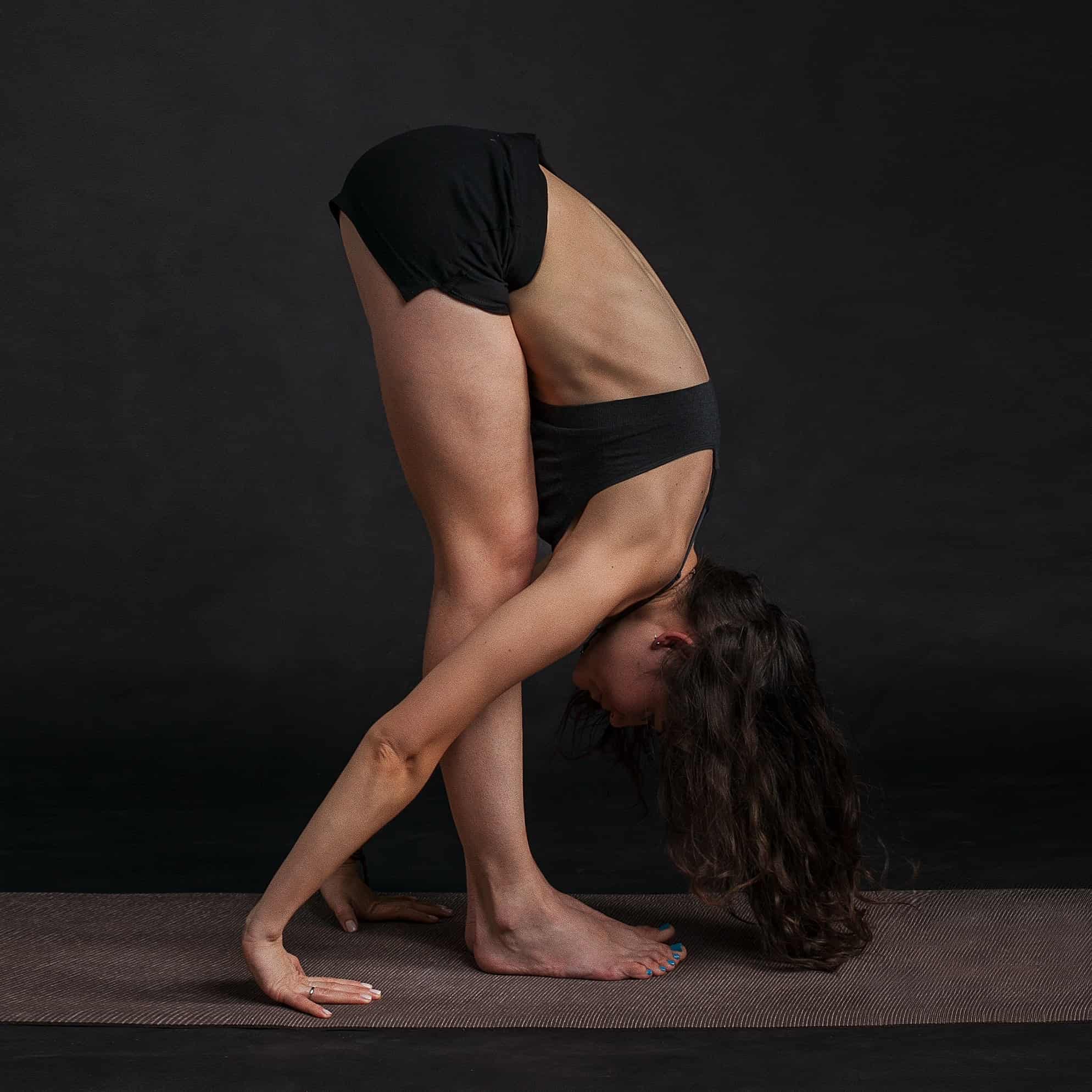
Shaking Up Your Workout Routine
Isometrics are an amazing supplement or replacement for your current workout routine. You can do it in a wide variety of environments. For example, places like HOTWORX provide isometric workouts in a sauna that bring tension to the muscles, but the heat relaxes your body, which can do a lot to minimize the soreness in recovery.
In fact, isometrics produce little-to-no soreness because the muscle is not moving. For those people who are looking for a way to get a workout done without feeling beat up the next day (and maybe the many days after), isometrics could make a big difference.
Holding for "Time Under Tension"
If you want to stimulate muscle growth, you've got to give it a lot of tension so it sends that signal to grow. Time under tension is something that has been spoken of a lot in fitness circles, and if you are used to picking up and putting down weights and getting a little bit of a sweat on, but without really feeling that burn, isometrics could be a massive shock to the system.
There are different types of isometrics, but the two most common are overcoming isometrics and yielding isometrics.
Overcoming isometrics involves trying to move an immovable object, and yielding isometrics involves holding an object or a weight against the force of gravity, for example, when you do the plank. When you start to think about these two different types of isometric exercises, now you can create a whole manner of routines. The yielding isometrics, in particular, utilizes time under tension effectively. While studies have shown that in order to simulate strength, 6 seconds is actually the magic number, if you are looking to grow muscle in addition to strength, isometric holds that can go up to 120 seconds can do a lot for you.
Fitting Isometrics Into Your Daily Life
Finally, if you want to start a new workout routine but you don't have the time to do it, isometrics might be the thing you need. It is incredibly time-efficient. There are a wide variety of workouts that can be done in the space of a few minutes, for example, the 5BX program, but if you are looking for something that really gets a sweat going in a matter of seconds, isometrics is an old-fashioned tool that was performed by the old-time strongman, that aims to stimulate tendon strength.
If you are already sticking to cardio, but you want something a little bit more, it might be time to bring this lesser-known exercise into your life.





2 Comments