
Bicycles And Trains: Should You Take Your Bike On The Train?
Regularly commute to work by train? Or perhaps you regularly take train journeys to meet friends and family? Taking your bicycle on the train with you could have many benefits. However, there could be certain drawbacks to consider - including potential restrictions. Below are just a few important questions to consider before you start taking your bike on the train.
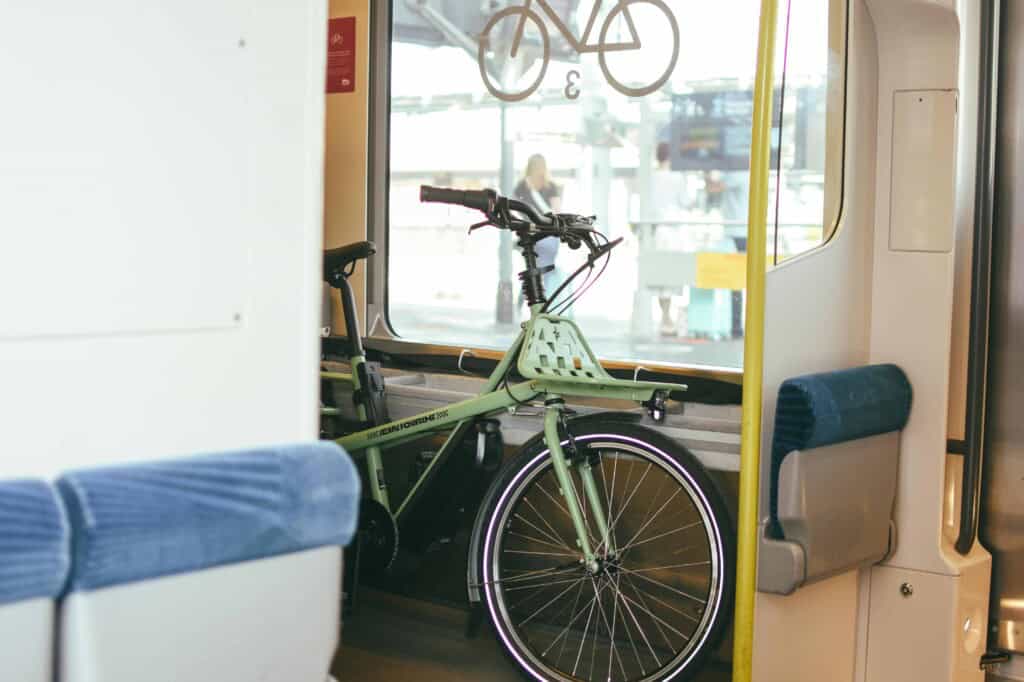
What is the benefit of taking your bicycle on the train?
A train ride is often just part of the journey. Once you reach your stop, you may have to then take a long walk from the station to get to your destination. If it's too long to walk from the station to your destination, an additional bus ride may be needed, or you may have to take a taxi.
Taking your bike on the train allows you to cycle from the station to your destination instead. This has several benefits:
- It's likely to be quicker than walking: You may even be able to catch a later train.
- You can save money by not taking a bus or taxi: If you're commuting the same journey every morning and evening, this could result in huge savings.
- You can integrate some exercise into your journey: Who needs to visit a gym each day when you can incorporate some cycling into your journey instead?
If you work right next to the station or are getting picked up at the station by a friend, then clearly you don't need your bicycle. However, for many people, it could be a huge help.
Are bicycles allowed on the train?
Most trains around the world allow you to take bicycles on board. However, there are some examples where there are restrictions. These are important to consider before taking your bicycle:
- Some city trains do not allow any bicycles on board during peak times. For example, South Western trains in and out of Waterloo Station in London don't allow any bicycles during peak times.
- Many city trains only allow fold-up bicycles and some may have specific carriages for these bicycles. Others may only allow bicycles if they are folded and stored in a certain way. For example, in Tokyo, bicycles can only be taken on trains if they are folded into a special case known as a 'Rinko bag'.
- Some trains charge extra fees for taking a bicycle on board. For example, Trenitalia trains between Italy and Switzerland charge a $12 fee.
Are you traveling somewhere cycle-friendly?
It could also be important to consider whether the destination you are traveling to is cycle-friendly.
Some towns and cities are renowned for being safe and easy to navigate for cyclists. They have designated bike lanes and other road users are used to sharing the road with cyclists.
In other towns and cities, this is not the case. Roads may be too fast to cycle on and there may not be adequate pavements. It may not be wise to ride a bicycle in such locations.
You also need to consider whether you have anywhere secure to store your bicycle when you finally reach your destination. Areas renowned for bike theft are probably not worth taking your bicycle to.
Would you like to save this?
Is there enough space on the train?
As already mentioned, some trains restrict bicycles during busy periods. Others still allow you to take a bicycle on board, but it may still not be recommended as there won't be much space. Trying to squeeze a bicycle onto an already jam-packed train could be impossible.
It's important to consider when you are traveling so that you can determine if you have space to bring your bicycle.
Would bicycle storage be a better option?
Taking your bicycle on the train may not always be a good idea, but there could be situations where you still want to cycle to the train station from your home. In these cases, it's worth looking into whether the train station has a secure bike storage area.
Many train stations have bicycle racks located outside. Some are very secure and have cameras overlooking them, while others are less secure. It's important to check these bicycle racks out before you take your bicycle to the station.
Many major train stations have luggage storage facilities such as this luggage storage in Sydney Central. You may be allowed to store your bicycle in such storage facilities. However, some train station luggage drop-off points may not allow bicycles.
Taking your bicycle on the train could save you time and money and could allow you to incorporate some exercise into your journey. But you need to check that bicycles are allowed on the train, that there is enough space on the train and that your destination is cycle-friendly.
Cycling from home to the station and storing your bicycle at the station could be an alternative option if you still want to include some cycling in your journey, but it's important to check that the station has adequate bicycle storage on premises.