
How to Make Sure You're Getting Your Macros in Each Meal
If you're following a macro-based diet, it's important to make sure you're getting the right mix of macros at each meal. Doing so will help ensure you're getting the nutrients your body needs and help keep your metabolism running smoothly. Here's a quick guide to making sure you're getting your macros at every meal.
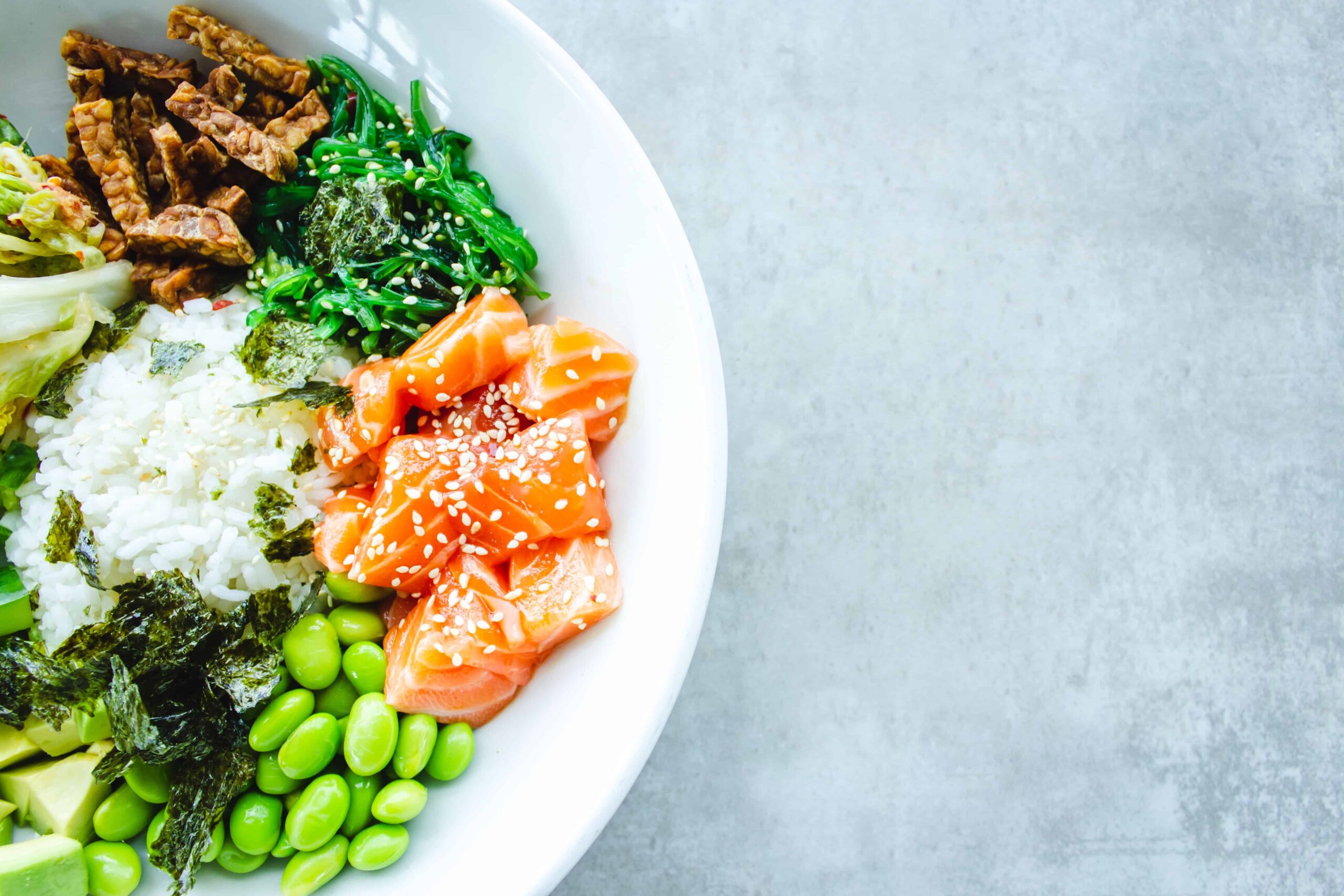
Why are Macros Important?
Most people have heard of macros, but many don't really understand what they are or why they're important. Put simply, macros are the three primary types of macronutrients that your body needs in order to function properly: protein, fat, and carbohydrates. These nutrients are essential for everything from building muscle to maintaining a healthy weight to keeping your energy levels up.
While you can get all of the macros you need from whole foods, sometimes it's helpful to use supplements to ensure that you're getting enough of each one. That's where macro counting comes in. By tracking the macros you consume each day, you can make sure that you're getting the right mix of nutrients to support your health and fitness goals. Now let's take a look at how you can do this during each meal time.
Breakfast
For breakfast, aim for 20-30 grams of protein and 25-35 grams of carbs. A good way to get both is with a bowl of oatmeal topped with some almond butter and a few slices of fruit. If you're not a fan of oatmeal, you could also try a protein shake or an egg white omelet. Just be sure to add in some healthy fats and carbs to balance out the meal.
Would you like to save this?
Lunch
At lunchtime, aim for 30-40 grams of protein and 40-50 grams of carbs. A simple chicken salad is a great option that will give you plenty of protein and healthy fats. Just be sure to add in some chopped fruit or roasted veggies to up the carb content. If you're not in the mood for salad, a turkey sandwich on whole wheat bread or a veggie wrap are also good options.
Dinner
For dinner, you'll want to go for 40-50 grams of protein and 50-60 grams of carbs. A salmon filet or grilled chicken breast are both great sources of lean protein. Serve them alongside some roasted sweet potatoes or quinoa and you'll be good to go-or even give this corned beef cabbage recipe a go for a full balance. If you're not in the mood for seafood or poultry, tofu or tempeh are also excellent protein sources that can be easily incorporated into a variety of different dishes.
Meeting Your Daily Macros
Making sure you're getting enough macros at each meal is important if you want to stay on track with your diet. By following the guidelines above, you can be sure you're getting the right mix of nutrients at every meal. And remember, if you're ever in doubt, there are plenty of online macro calculators that can help you figure out exactly how many grams of each macronutrient you should be eating each day. Happy macro counting!





One Comment