The Mediterranean Diet’s Best-Kept Secret: Shellfish
When people picture the Mediterranean diet, their minds often float to sun-ripened tomatoes, olive oil drizzled over crusty bread, or perhaps a bottle of red wine shared at dusk. But somewhere between the olives and the legumes, a delicious, low-calorie, high-protein treasure quietly anchors the shoreline of this iconic way of eating: shellfish.
Yes-mussels, clams, scallops, and lobster. These often-forgotten heroes of the sea have been sustaining Mediterranean communities for centuries, yet they rarely steal the spotlight in mainstream health discussions. It's time we changed that.
More Than Just a Pretty Plate
Shellfish offer something that many land-based proteins simply can't match-a nutrient profile that reads like a wish list for wellness. They're rich in lean protein, zinc, iodine, vitamin B12, omega-3 fatty acids, and even selenium, all without the heavily saturated fats that sneak into other animal-based options.
But beyond the data points, there's something poetic about eating food that has filtered the sea itself. Shellfish are, in essence, ocean cleaners-filter feeders that absorb nutrients from their environment, making them surprisingly eco-friendly. A dozen oysters can filter as much as 50 gallons of water a day. Talk about clean eating.
The Village Wisdom of the Coast
In small coastal villages across the Mediterranean-from the Greek isles to the Andalusian coast-shellfish aren't luxury items; they're humble, everyday fare. Grandmothers steam cockles with garlic and parsley, fishermen sell bags of mussels straight from the boat, and families gather for lazy Sunday lunches where a massive pot of seafood paella takes center stage.
These are places where food still tells stories. And shellfish, with their tough exteriors and tender interiors, speak of patience, craft, and connection to the tide.
Low-Calorie, High-Satiety: The Secret Combo
If you're looking to follow the Mediterranean way for health reasons, you already know it's less of a "diet" and more of a lifestyle. But shellfish give you an extra edge. They're naturally low in calories but incredibly filling. A cup of steamed mussels? Roughly 250 calories. A 3-ounce serving of shrimp? Around 85 calories. Yet both pack serious protein punches and keep you satisfied longer than a dry chicken breast ever could.
Even better, they're incredibly versatile. Whether you're tossing clams into a fennel and white wine broth or gently pan-searing scallops with lemon zest and thyme, shellfish are a canvas for simple, honest flavors.
But What About Cholesterol?
This question inevitably comes up, especially for older readers trying to watch their numbers. Yes, shellfish contain dietary cholesterol. But modern research has shifted its stance-what truly affects blood cholesterol is saturated fat, not dietary cholesterol. Since shellfish are low in saturated fat, they're generally safe (and often beneficial) for heart health.
In fact, several studies show that incorporating shellfish into a balanced diet can help improve lipid profiles. So unless you've got a specific allergy or medical restriction, there's little reason to exclude them.
The Ritual of the Shell
There's also something deeply satisfying-almost meditative-about eating shellfish. It's not fast food. You don't wolf it down. You pick. You crack. You dip. You savor.
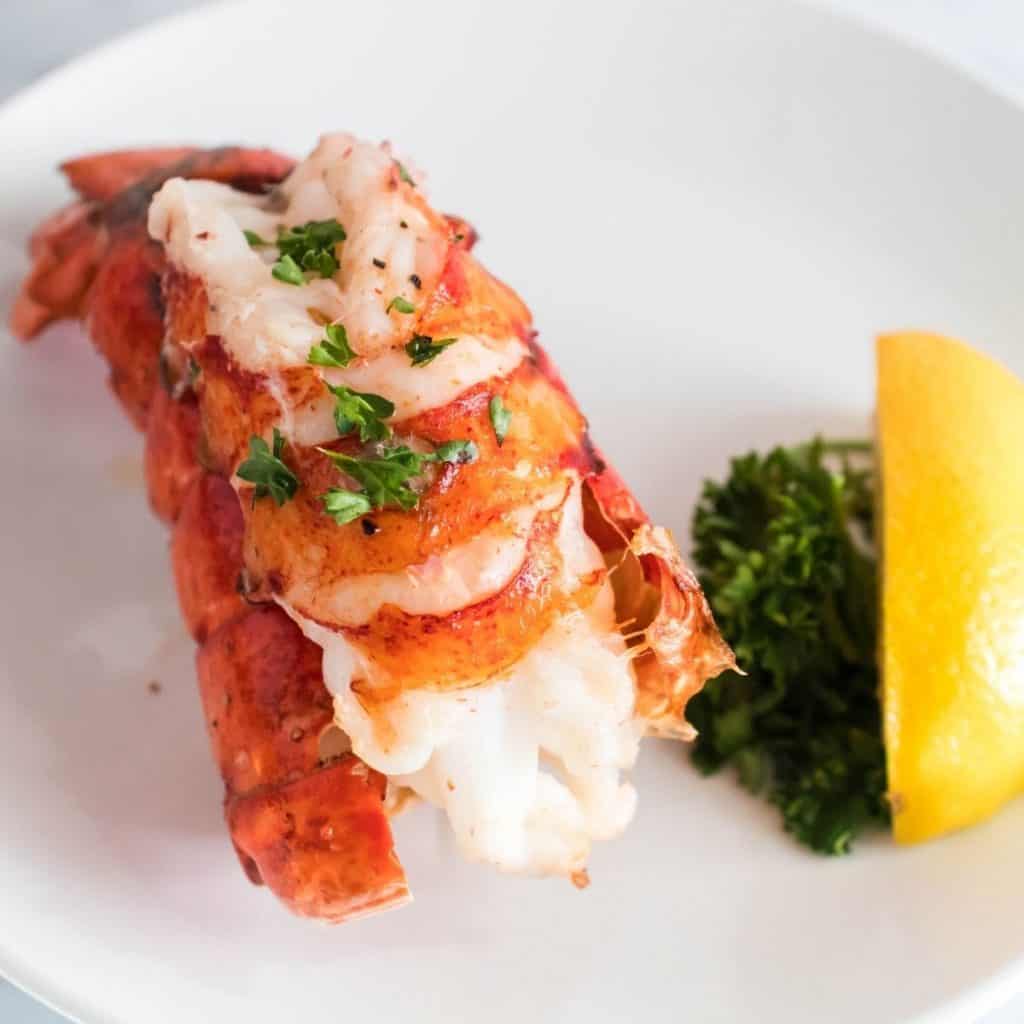
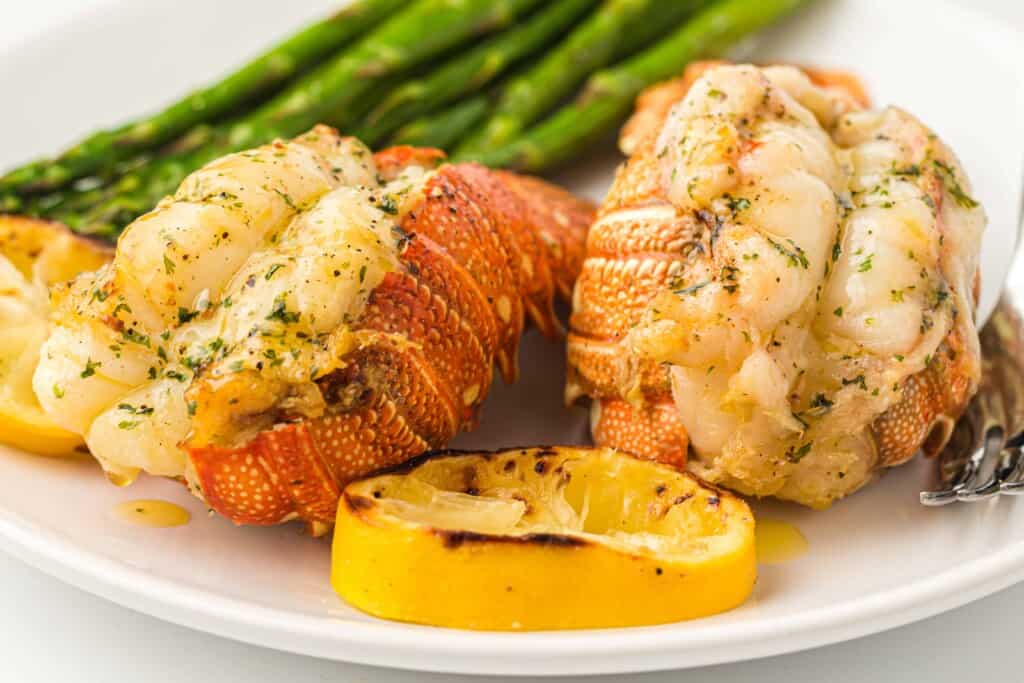
Take lobster, for instance. You can't rush through it. You need to crack open the shell, work through the segments, and gently extract the meat. It makes you slow down. It makes you present. Even the act of reading lobster shucking instructions before a summer dinner on the patio adds a sense of occasion to what might otherwise be just another meal.
Sustainability on a Half-Shell
Another reason shellfish deserve the spotlight? They're one of the most sustainable animal proteins you can eat. Shellfish farming has a low environmental impact, doesn't require feed (unlike cattle or poultry), and often helps improve water quality.
In regions like the Mediterranean, this sustainability isn't a trend-it's a tradition. Harvesting shellfish from clean waters, with seasonal knowledge passed down through generations, shows how this coastal culture has always lived in sync with the sea.
Where Simplicity Meets Sophistication
Shellfish don't need to be dressed up in butter-soaked extravagance to shine. The beauty of the Mediterranean approach lies in restraint. Just a splash of lemon, a few herbs, maybe a glug of olive oil. Nothing else is needed. No sauces that mask the delicate flavor. No heavy coatings. Just the sea, elevated.
Try grilled prawns with smoked paprika and parsley. Or mussels in a garlicky tomato broth with a hunk of whole-grain bread to soak up the juices. Or a scallop ceviche kissed with lime and mint. These dishes are deceptively simple but unforgettable on the palate.
A Better Option Than You Think
Many people avoid shellfish because they think it's too expensive, too complicated, or too "fancy" for a weeknight dinner. But the truth? It's none of those things if you know where to look. Frozen, pre-cleaned options are more affordable than ever. Local fishmongers often sell shellfish at surprisingly fair prices. And preparing them at home is easier than you might think.
Sure, lobster might be reserved for special occasions-but clams, mussels, and even frozen shrimp? Those are everyday heroes in the Mediterranean kitchen.
The Olive Oil Advantage: Liquid Gold for Longevity
While shellfish might be the sea's secret weapon, olive oil is the soul of the Mediterranean kitchen. More than just cooking fat, it's a daily ritual-drizzled on salads, brushed over grilled vegetables, or simply soaked up with warm bread. What makes it extraordinary isn't just the flavor; it's the potent blend of antioxidants and monounsaturated fats that support heart health, reduce inflammation, and may even protect brain function. In Mediterranean homes, olive oil isn't measured by tablespoons-it's instinctively poured, as natural as breathing.
A Final Word From the Sea
There's a reason those who follow traditional Mediterranean diets tend to live longer, healthier lives. It's not just the olive oil or the red wine. It's the connection to natural rhythms, the focus on whole foods, and, yes-the generous inclusion of shellfish.
So, the next time you're planning a meal inspired by this iconic lifestyle, don't just reach for the hummus and olives. Cast your net a little wider. Crack a shell. Dip a claw. Savor the sea. Because sometimes, the best-kept secrets are hiding right there-in the shallows.